Dental anxiety remains one of the most significant barriers to oral healthcare worldwide. Millions of patients delay or completely avoid dental visits due to fear—often rooted in past negative experiences, fear of pain, or a perceived lack of control. Unfortunately, this avoidance frequently results in advanced disease, complex treatment needs, and poorer overall health outcomes.
Anxiety-free dentistry is not about eliminating procedures—it is about reshaping the dental experience. By integrating communication, empathy, behavior management, and modern clinical approaches, dentists can transform fear into trust and improve both patient outcomes and practice success.
Understanding Dental Anxiety
Dental anxiety exists on a spectrum, ranging from mild nervousness to severe dental phobia. Common triggers include fear of injections, sounds of dental instruments, loss of control, gag reflex sensitivity, or memories of traumatic dental encounters.
Patients may not always openly express anxiety. Warning signs often include missed appointments, visible tension, excessive questioning, or reluctance to proceed with treatment. Recognizing these cues early allows the dental team to proactively intervene and create a more supportive environment.
1. Communication Is the Foundation of Anxiety-Free Care
Clear, empathetic communication is the most powerful tool in managing dental anxiety. Patients want to feel heard, understood, and respected.
Effective strategies include:
Explaining procedures in simple, non-technical language
Avoiding fear-provoking words
Acknowledging concerns without minimizing them
A calm tone, eye contact, and reassurance can dramatically reduce patient stress. When patients understand what to expect, uncertainty—and anxiety—decreases.
2. Restoring Patient Control
A major contributor to dental fear is the feeling of helplessness. Dentists can restore a sense of control by:
Establishing a stop signal
Offering short breaks during treatment
Allowing patients to ask questions freely
Even small choices—such as music preferences or appointment pacing—can empower patients and improve cooperation.
3. Behavioral and Psychological Techniques
Behavior management techniques are highly effective and easy to implement
Tell-Show-Do: Explain the procedure, demonstrate it in a non-threatening way, then proceed
Positive reinforcement: Acknowledge patient cooperation and progress
Distraction techniques: Music, conversation, or guided breathing exercises
These approaches help shift focus away from fear and toward comfort and control.
4. Creating a Calming Clinical Environment
The dental setting itself can influence anxiety levels. Simple environmental changes can have a profound impact:
Soft lighting and calming music
Noise-canceling headphones
Comfortable seating and supportive pillows
A relaxed atmosphere communicates safety before any treatment even begins.
5. Role of Technology in Anxiety Reduction
Modern dentistry offers tools that improve both comfort and confidence:
Minimally invasive techniques
Digital imaging for faster diagnosis
Virtual reality and audiovisual distraction tools
When patients perceive dentistry as gentle and precise, their fear naturally decreases.
6. When Sedation Is Appropriate
For patients with moderate to severe anxiety, adjunctive pharmacologic support may be beneficial. Nitrous oxide sedation and oral anxiolytics, when used appropriately, can significantly improve the patient experience and treatment acceptance. These options should always be personalized and medically appropriate.
Conclusion
Anxiety-free dentistry is not an optional enhancement—it is a responsibility of modern dental care. By prioritizing empathy, communication, patient autonomy, and minimally invasive techniques, dental professionals can remove fear as a barrier to care. The result is better oral health outcomes, stronger patient relationships, and a more fulfilling practice for clinicians and teams alike.
About the Author
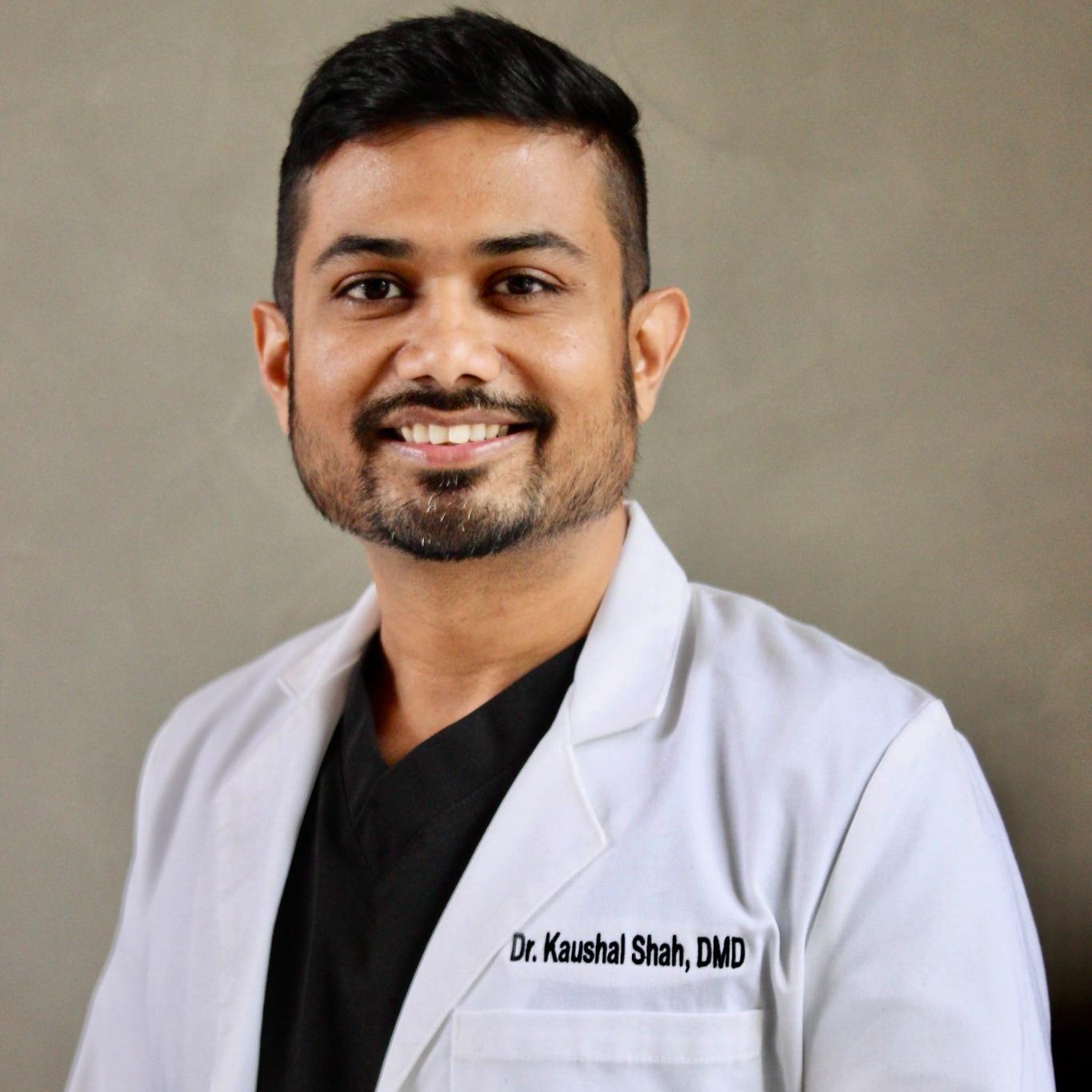
Dr. Kaushal Shah, DMD, BDS is a U.S.-trained general dentist and Dental Director based in Texas, overseeing multiple clinics serving Medicaid and underserved populations. He graduated from Boston University Henry M. Goldman School of Dental Medicine and has a strong interest in anxiety-free dentistry, patient-centered care, and minimally invasive clinical approaches. Dr. Shah is a member of the Pierre Fauchard Academy, a Fellow of the American Academy of Implant Prosthodontics (AAIP), and is currently nominated for the International College of Dentists (ICD). He regularly writes on access to care, dental leadership, and modern practice innovations for national and international platforms.
Explore more with DentalReach
Read the DentalReach dental magazine for professional perspectives, browse clinical dental articles for practical learning, and follow dental news for updates across the profession. You can also read our dental magazine editions.
Continue learning through dental events and conferences, listen to dental podcasts featuring professional conversations, and exchange questions and experiences in our dental forums.
For your next career step, explore dental jobs and opportunities across dental practices and organizations.