
Best toothpaste for sensitive teeth and gums: quick answer
Choose toothpaste by active ingredient and diagnosis, not advertising alone. Desensitizing formulations may contain potassium salts, stannous fluoride, arginine or other tubule-occluding technologies, while an appropriate fluoride concentration supports caries prevention. Persistent, localized or worsening sensitivity needs dental assessment because decay, cracks, erosion, recession, pulp disease and periodontal problems can produce similar symptoms.
The Importance of Choosing the Right Toothpaste for Sensitive Teeth
Tooth sensitivity can be a frustrating and uncomfortable condition, but it is one that can be managed with the right toothpaste. With so many options available on the market today, patients visit the dentist to help them find the best toothpaste for sensitive teeth as it can be overwhelming. In this article, we will explore the different types of toothpaste available, their ingredients, and how they work to alleviate tooth sensitivity.Understanding Tooth Sensitivity
Tooth sensitivity is a common dental problem that affects millions of people worldwide. It is characterized by a sudden, sharp pain in the teeth or gums when exposed to hot or cold temperatures, sweet or acidic foods, or pressure during brushing. Tooth sensitivity occurs when the protective layer of enamel on the teeth becomes worn down, exposing the dentin underneath.Causes of Tooth Sensitivity
Common causes of tooth sensitivity include:- Gingival recession
- Enamel erosion
- Dental caries
- Cracked or chipped teeth
- Bruxism or clenching of the teeth
- Abrasion due to excessive brushing or use of hard toothbrushes
- Acidic foods and drinks
What Makes a Good Toothpaste for Sensitive Teeth?
When choosing a toothpaste for sensitive teeth, there are several factors to consider. Here are some of the most important things to look for:Active Ingredients:
The active ingredients in toothpaste for sensitive teeth work to either block the pain signals from reaching the nerves or to strengthen the enamel. Some of the most common active ingredients in toothpaste for sensitive teeth include:- potassium nitrate
- stannous fluoride
- sodium fluoride.
Fluoride Content:
Fluoride is a mineral that helps to remineralize the enamel on your teeth and prevent tooth decay. While some people may prefer fluoride-free toothpaste, it is generally recommended to choose a toothpaste that contains fluoride for optimal oral health.Mild Abrasives:
Some toothpaste for sensitive teeth may contain mild abrasives such as:- calcium carbonate or
- silica
Gum Health:
Toothpaste that promotes gum health can be beneficial for people with sensitive teeth as gum recession is one of the most common causes of tooth sensitivity. Ingredients such as:- zinc citrate and
- triclosan
Popular Toothpaste Brands for Sensitive Teeth
1. SHY-NM:
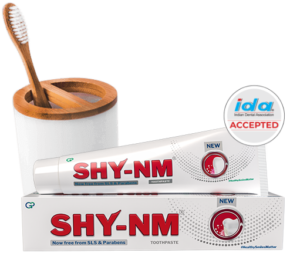 SHY-NM is a revolutionary toothpaste that uses advanced technology called Bioactive glass CSPS i.e. Calcium Sodium Phospho Silicate to naturally revitalize teeth. This unique formula reduces sensitivity, promotes healthier gums, and re-calcifies tooth enamel naturally, providing long-lasting relief for tooth sensitivity. The relief with this toothpaste is almost instant, or within 2-3 days of use. Ingredients: CSPS - calcium, phosphorus, silica, and sodium. Key Benefits:
- Reduces tooth sensitivity
- Promotes healthier gums
- Re-calcifies tooth enamel naturally
- Long-lasting desensitizing and remineralization effects
- Uses advanced technology called NovaMin
2. ELSENZ:
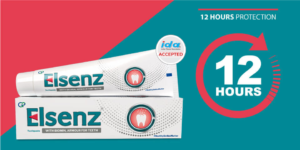 Elsenz is a revolutionary toothpaste that is designed to provide rapid relief for tooth sensitivity while also preventing cavities. Its unique formula contains active ingredients such as Fluoro calcium phosphosilicate, Glycerine, and Silica, which work together to build a protective barrier over sensitive areas of your teeth, providing long-lasting protection against tooth sensitivity. Ingredients: Glycerin, PEG 400, Silica, Fluoro calcium Phosphosilicate (BioMin F), Sodium lauryl sulphate, Titanium dioxide, Flavour, Carbomer, and Potassium acesulfame. Key Benefits:
- Rapid relief for tooth sensitivity
- Provides ongoing protection against sensitivity triggers
- Prevents cavities and strengthens teeth
- Freshens breath and whitens teeth
- Clinically proven formulation
3. SHY-XT:
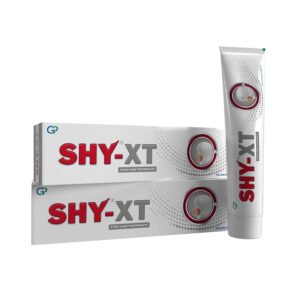 SHY-XT toothpaste is a highly effective solution for maintaining optimal oral health. This toothpaste has a rich composition of Potassium nitrate, Nano Hydroxyapatite, and Fluoride. These active ingredients work together to alleviate sensitivity, repair damaged tooth enamel, and strengthen gums. The effects last for an extended period of time. Ingredients: Potassium nitrate, Nano Hydroxyapatite, Fluoride: Key Benefits:
- Relieves pain caused by sensitivity
- Repairs damaged tooth enamel
- Strengthens gums
- Seals open dentinal tubules
- Forms a protective layer over the dentin surface
4. SHY-OR mouthwash:
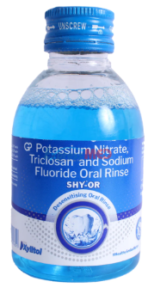 This unique product SHY-OR Mouthwash is an effective mouthwash for maintaining optimal oral health in patients with tooth sensitivity. With active ingredients such as Potassium Nitrate, Sodium Monofluorophosphate, Triclosan, and Xylitol, this mouthwash is designed to prevent cavities, reduce pain from sensitive teeth, and protect tooth enamel from bacterial attack. Key Benefits/Uses of SHY-OR Mouthwash:
- Prevents caries & dry mouth
- Reduces pain from sensitive teeth or in hypersensitivity
- Protects tooth enamel from bacterial attack
- Antibacterial and antifungal agent
- Potassium Nitrate: Blocks the transmission of pain signals from the surface of a tooth to the nerve inside the tooth cavity.
- Sodium Monofluorophosphate: Protects tooth enamel from attack by bacteria (cavities, also known as caries).
- Triclosan: Acts as an antibacterial and antifungal agent.
- Xylitol: Prevents tooth decay and dry mouth
5. SHY Oral Gel:
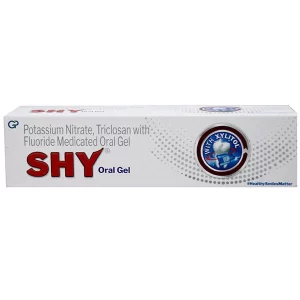 The SHY Oral Gel is a a medicated desensitizing toothpaste that contains active ingredients in a pleasantly flavored base. This gel protects against sensitivity, fights cavities and plaque, fights gum problems, and strengthens tooth enamel. Key Benefits:
- Protects against sensitivity
- Fights cavities and plaque
- Fights gum problems
- Strengthens tooth enamel
- Prevents bad breath
- Suitable for use on teeth prone to decay
- Potassium nitrate: Blocks the nerve that carries the message of pain to the brain due to sensitivity, protecting the tooth and preventing the feeling of pain when eating and drinking.
- Triclosan: An antiseptic substance that kills odor-producing bacteria in the mouth and prevents the formation of plaque.
- Sodium monofluorophosphate: Protects tooth enamel from attack by bacteria that cause dental caries.
Bonus tips for your patients!
In addition to prescribing the right toothpaste for sensitive teeth, maintaining good oral hygiene is essential for keeping teeth and gums healthy. Here are some tips you can share with your patients to help them maintain good oral hygiene:- Brush teeth twice a day for two minutes using a soft-bristled brush and gentle circular motions.
- Floss at least once a day to remove plaque and food particles from between your teeth.
- Use an antiseptic mouthwash to kill bacteria and freshen your breath.
- Avoid smoking or using tobacco products as they can cause tooth decay, gum disease, and other oral health problems.
- Limit consumption of sugary or acidic foods and drinks, as these can erode the enamel on your teeth.
Frequently Asked Questions by Patients
Can sensitive toothpaste whiten teeth?
While some toothpaste for sensitive teeth may contain mild abrasives that can help to remove surface stains, these toothpastes are not designed specifically for teeth whitening. If you are looking to whiten your teeth, it is best to use a toothpaste specifically formulated for whitening.How long does it take for toothpaste for sensitive teeth to work?
The amount of time it takes for toothpaste for sensitive teeth to work will vary depending on the severity of your tooth sensitivity and the specific toothpaste you are using. Some people may notice relief after just one use, while others may need to use the toothpaste for several weeks before they see results.Can I use sensitive toothpaste every day?
Yes, you can use sensitive toothpaste every day as part of your regular oral hygiene routine. In fact, using toothpaste for sensitive teeth regularly can help to prevent future episodes of tooth sensitivity.Is fluoride-free toothpaste effective in preventing cavities?
While fluoride is known to be effective in preventing tooth decay and strengthening the enamel, there are fluoride-free toothpaste like Enafix, which helps in preventing cavities. These toothpastes typically contain other active ingredients such as xylitol or calcium carbonate to promote healthy teeth and gums.How can I reduce my risk of developing tooth sensitivity?
To reduce your risk of developing tooth sensitivity, it is important to maintain good oral hygiene habits, avoid abrasive toothbrushes or excessive brushing, and limit your consumption of acidic or sugary foods and drinks. If you grind your teeth at night getting a mouthguard to protect your teeth from further damage.What is the best toothpaste for sensitive teeth that is not Colgate or Sensodyne, and has instant sensitivity relief?
SHY-NM is a superior desensitizing toothpaste. Special ingredient CSPS in SHY-NM toothpaste forms a protective shield around the teeth from caries and acid attacks.Are there any whitening toothpaste options available for people with sensitive teeth, other than Colgate and Sensodyne?
Yes, there are several whitening toothpaste options available for people with sensitive teeth. One of the popular brands available in the market is SHY-NM.What natural toothpaste brands provide enamel and gum protection without fluoride?
There are several natural toothpaste brands that provide enamel and gum protection without fluoride. For example, Glodent toothpastes.Can you recommend a rapid relief sensitive toothpaste that is not Colgate or Sensodyne?
SHY-XT Toothpaste provides instant sensitivity relief and is a great option for people with sensitive teeth, who are looking for a toothpaste other than Colgate or Sensodyne.Is there a popular sensitivity relief toothpaste that does not contain fluoride, but still provides protection for teeth?
SHY-NM: This toothpaste contains a compound called CSPS, which helps to create a protective barrier over the exposed dentin. It is also SLS and paraben free, making it a good option for people with sensitive teeth, allergies or fluorosis.Is there a rapid relief toothpaste that can be used for sensitivity due to gum recession or post-scaling recession?
SHY-XT is a toothpaste that claims to relieve tooth sensitivity and gum recession. It contains a blend of ingredients, including stannous fluoride, potassium nitrate, and triclosan. Stannous fluoride helps to create a protective barrier over the exposed dentin, the soft tissue inside the tooth. Potassium nitrate helps to numb the nerves in the teeth. Triclosan is an antibacterial agent that helps to fight plaque and bacteria. There is limited scientific evidence to support the claims made about SHY-XT. A study published in the journal "Clinical Oral Investigations" found that SHY-XT was effective in reducing tooth sensitivity in people with mild to moderate sensitivity. However, the study was not well-designed and the results need to be replicated in larger studies. Here are some other things to keep in mind about SHY-XT:- It is not a cure for gum recession.
- It may not be effective for everyone.
- It may cause side effects, such as tooth staining or gum irritation.
- It is important to brush your teeth gently with a soft-bristled toothbrush when using SHY-XT.
Conclusion
Finding the right toothpaste for sensitive teeth can make a big difference in your overall oral health and quality of life. With so many options available on the market today, it is important to consider the active ingredients, fluoride content, and other factors when choosing a toothpaste. Whether you prefer a fluoride-free option or a formula that contains active ingredients like potassium nitrate or stannous fluoride, there is a toothpaste out there that can provide relief from tooth sensitivity and promote good oral health. By directing your patients to maintain a good oral hygiene habit and using the right toothpaste, you can help them keep their teeth and gums healthy and pain-free for years to come.Clinical selection of toothpaste for dentin hypersensitivity
“Sensitive teeth” is a symptom, not a diagnosis. Before recommending a dentifrice, exclude caries, cracked teeth, defective restorations, pulpal disease, erosion, abrasion, periodontal disease and post-operative sensitivity. The pattern, trigger, duration and localisation of pain help distinguish dentin hypersensitivity from conditions requiring definitive treatment.
Ingredient-based selection
- Potassium salts: used in many desensitising formulations to reduce neural response over repeated use.
- Stannous fluoride: can combine anticaries benefit with dentinal-tubule occlusion; staining and formulation tolerability should be considered.
- Arginine, calcium-phosphate and bioactive-glass systems: aim to occlude exposed tubules, but formulations and supporting evidence vary.
- Abrasivity: consider the patient’s erosion, recession, brushing technique and whitening-product use rather than judging by marketing terms alone.
Patient instructions and review
Recommend gentle twice-daily brushing with a soft-bristled brush, avoid aggressive horizontal scrubbing and review erosive dietary or reflux-related factors. Explain that benefit is often cumulative and product switching too quickly may prevent a fair trial. Persistent, spontaneous, severe or localised pain needs dental assessment rather than repeated self-treatment.
Explore the biology of tooth sensitivity and whitening-related sensitivity.
Frequently asked questions
What is the best toothpaste for every patient with sensitive teeth?
There is no universal best product. Selection depends on the diagnosis, active ingredient, fluoride requirement, abrasivity, tolerability and patient adherence.
How long should a desensitising toothpaste be tried?
Many products require regular use over days to weeks. Follow the product directions and reassess if symptoms persist or worsen.
Can sensitivity toothpaste treat dental caries or a cracked tooth?
No. It may mask symptoms temporarily but does not treat structural or pulpal disease.
Should patients choose fluoride-free toothpaste for sensitivity?
Fluoride-free selection sacrifices an important anticaries benefit for many patients; the individual caries risk and clinical indication should guide the choice.
When is professional treatment needed?
Refer for examination when pain is spontaneous, prolonged, severe, associated with biting, localised to one tooth or unresponsive to appropriate home care.