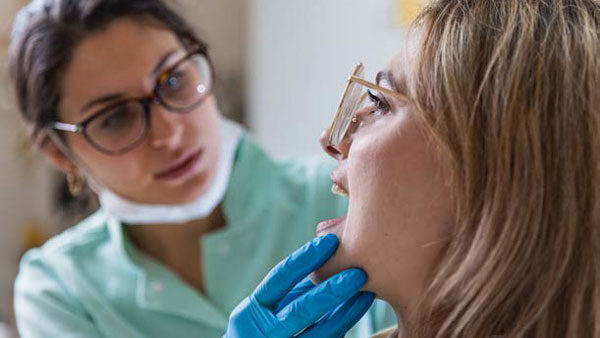
A thorough head and neck examination is an important part of a comprehensive or periodic exam and can be valuable in helping to diagnose a plethora of disorders, many of which require early detection for effective treatment. With high utilization and recommendations of biannual preventive care visits, dentists can be pivotal in screenings and diagnosis. Systematic and regular screenings are key factors. The examination should cover lymph nodes, muscular anomalies, asymmetrical growths, the temporomandibular joint and other head and neck structures, and should also include the form and function of facial anatomy. This article provides a thorough analysis of the flow of a dental head and neck examination, recommendations on implementing a more comprehensive exam with consistency in dental practice, a review of the normal anatomy, and methods to identify abnormalities and effectively follow up.
Educational objectives
At the conclusion of this educational activity, participants will be able to:
- Discuss the value of the role of the dental practitioner in oral cancer and other pathologic early detection and diagnosis
- Describe signs of abnormal or variations of normal head and neck anatomy
- Identify the need for follow-up or referral to other practitioners and effectively communicate form and location of abnormalities
- Effectively incorporate a thorough head and neck examination into the flow of a dental practice
Manufacturer’s product information (dentalacademyofce.com, opens in a new tab)