
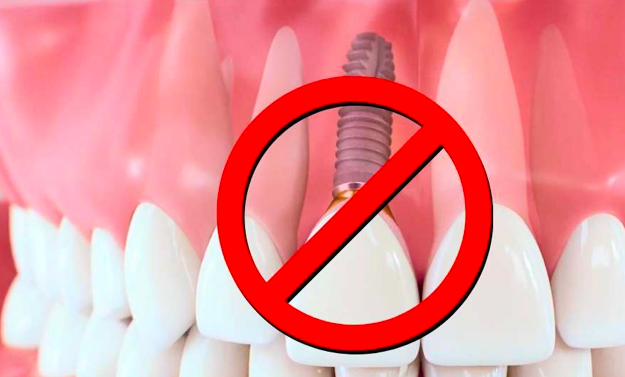
In implantology, “contraindication” is often too strong a statement. For most patients, the clinical decision is whether implant treatment should proceed immediately, proceed with modifications or specialist input, or be deferred while a risk is addressed. In other words, a contraindication can be ‘absolute’ or ‘relative’. This review identifies relatively few absolute contraindications, so clinicians should distinguish a temporary barrier from a factor that changes the risk-benefit balance.
Start with the decision, not a checklist
For each patient, assess whether the concern is modifiable, manageable, or incompatible with the proposed treatment. Consider the patient’s medical and financial status, periodontal health, local anatomy, medications, ability to maintain oral hygiene, and willingness to attend long-term follow-up.
This framing avoids treating common risk factors as automatic exclusions. It also makes the discussion more useful: explain what needs to change, what additional input is needed, and what alternatives are available.
When to defer implant placement
Defer elective implant surgery until the immediate problem is addressed. The following conditions are absolute contraindications:
Examples include:
Untreated periodontitis or active oral infection-Stabilize disease and establish a maintainable periodontal condition before implant placement. A history of periodontitis remains relevant to risk assessment and ongoing supportive care.
Poorly controlled systemic disease- Coordinate with the patient’s physician when the condition could affect surgical safety or healing. Uncontrolled systemic diseases can severely jeopardize life expectancy or major organ function. These systemic diseases include: -
Uncontrolled diabetes mellitus (should prompt assessment and appropriate coordination, not automatic exclusion)
Cognitive decline or dementia (affecting long-term maintenance)
Long-term use of certain medications (such as bisphosphonates)
Controlled autoimmune or connective tissue disorders (evaluated on a case-by-case basis)
Acute medical instability- Avoid elective implant surgeries in a scenario where the patient is not medically stable at all. These conditions generally prevent immediate or safe implant placement because they drastically compromise healing, life expectancy, or structural integration. These medically unstable conditions include:
Severe bleeding disorders
Acute/uncontrolled immunodeficiencies
Active/uncontrolled malignancies
Skeletal growth that is not complete- In a growing patient, defer definitive implant placement because continued craniofacial growth can affect the implant’s position relative to adjacent teeth.
Pregnancy: Elective surgical procedures like implant placement are typically postponed until after pregnancy.
Unresolved ability to consent to or maintain treatment- If the patient cannot participate in informed decision-making or reliably maintain oral hygiene and recall, first establish appropriate support and clarify whether the proposed treatment is realistic.
Deferral should come with a plan: treat the disease, reassess readiness, and document the criteria for reconsidering surgery.
When to modify the plan or seek co-management
Some conditions change the risk profile without automatically ruling out implant treatment. The response may be medical consultation, a different surgical setting, changes to timing or treatment design, or a more explicit maintenance plan. The following conditions are relative contraindications:
Free for members
Keep reading — it's free
The rest of this article is open to DentalReach members. Create a free account, or sign in, and every article on the site opens in full.