Instructions to the Dentist
Aligners are one of the most sought after treatment modality today for teeth alignment with definite advantages. However, to ensure the success of the treatment, the clinician must keep in mind some special considerations and conduct regular clinical monitoring to evaluate patient compliance.
Special Considerations
1.Changes in oral microbiome: Although aligners are less disruptive than fixed braces, they still require vigilance because their surface properties (micro-cracks etc.) may favor biofilm.
2.Musculature and functional system: Although not purely “care,” a recent systematic review noted that aligner therapy can influence masticatory muscles and the stomatognathic system; these functional changes should be monitored clinically.
For Patients- Clinical Monitoring & Education
1.Clinicians should educate patients about both wearing time and hygiene. Practical training (e.g., showing them how to remove, clean, and reinsert aligners) helps.
2.Use of electronic tools (apps) for monitoring wear-time and sending reminders can be beneficial.
3.Personalized oral hygiene advice (brushing frequency, chemical cleaning agents, periodontal checks) should form part of routine follow-ups.
4.Regular dental check-ups and professional cleanings further ensure that any issues are identified early and managed promptly.
With consistent hygiene practices and proper aligner care, patients can experience smoother tooth movement, improved comfort, and predictable results. Ultimately, good oral hygiene not only enhances the effectiveness of the treatment but also contributes to achieving a healthier, more confident smile throughout the aligner journey.
An instruction sheet for dental patients undergoing aligners has been prepared. The dentist may share the link of this article or hand out a print of this sheet to their patients from here on. Don't forget to give credits to DentalReach!
Home Care Instructions For Patients Undergoing Aligners
Congratulations for starting treatment with the most popular, discrete and comfortable method of teeth alignment! Here are 10 home care instructions you must follow to ensure success of your aligner treatment:
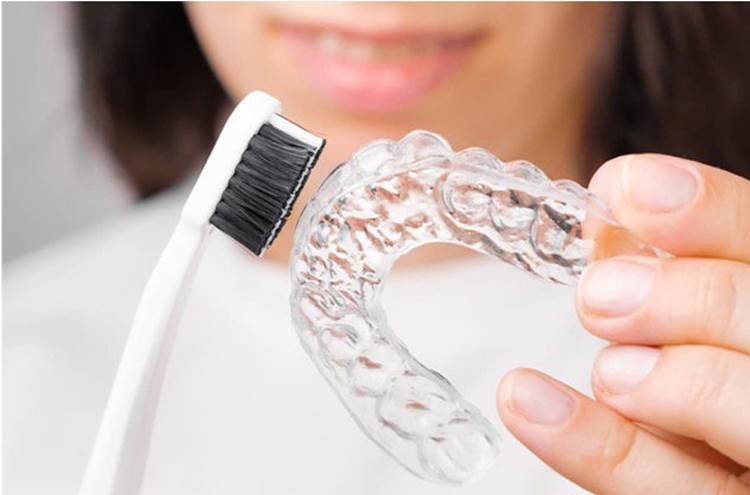
1. Clean Your Aligners Daily- Your Invisalign aligners spend most of the day in your mouth, so keeping them clean is a must. Rinse them with lukewarm water every time you take them out. Use a soft toothbrush (no toothpaste!) to gently scrub off bacteria and plaque.
Over a period of time, your aligner box might become infected due to the impurities present in the atmosphere, or deposits, food particles might retain on the aligners if you place it back in the case without washing. Therefore, it is important to clean your case every day. Different cleaning and disinfection methods are available such as mechanical methods (brushing with toothpaste or vibration), chemical methods/pharmaceutical products (chlorhexidine antibacterial substance, anionic or cationic detergents or effervescent tablets) or combinations of both.
Don’t use toothpaste on your aligners or your teeth aligner box. Toothpaste is suitable for the texture of your teeth, but don’t use it on your tooth aligners. For cleaning your aligners, you should use a different cleaning agent, as recommended by your dentist.
Note: Unclean aligners may interact with the microbiota already present and worsen oral health by causing tooth caries, periodontal disease, and even systemic infections. Therefore, aligners must be cleaned and disinfected as part of preventive oral health care.
2. Soak Them for a Deeper Clean-Even with daily brushing, your aligners need a little extra care. Soak them in aligner cleaner or denture tablets for about 15 minutes a day as instructed by your orthodontist . This helps remove any lingering buildup and keeps them fresh. Skip the mouthwash—it can stain or damage the plastic.
Free for members
Keep reading — it's free
The rest of this article is open to DentalReach members. Create a free account, or sign in, and every article on the site opens in full.

