INTRODUCTION
Periodontal diseases are inflammatory conditions affecting the supporting tissues of the teeth, including the gingiva, periodontal ligament, cementum, and alveolar bone. Dental plaque biofilm plays a central role in the initiation and progression of periodontal inflammation. When plaque accumulates and mineralizes, it forms calculus, which provides a surface for further biofilm retention and complicates effective oral hygiene.
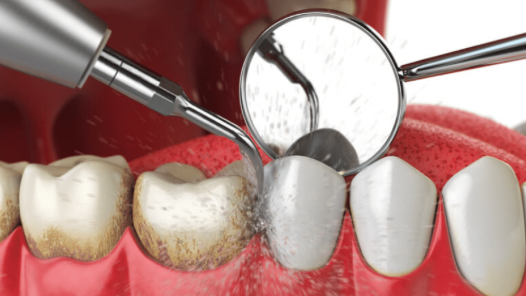
Scaling and root planing (SRP) is a nonsurgical periodontal treatment that involves the removal of plaque, calculus, and contaminated deposits from supra- and sub-gingival tooth surfaces. Root instrumentation also aims to produce a clinically clean root surface compatible with periodontal healing. The procedure may be performed using ultrasonic instruments, hand instruments, or a combination of both, depending on the patient's periodontal condition and clinical requirements.
Although SRP is generally well tolerated, patients may experience temporary discomfort, gingival bleeding, tissue tenderness, and increased sensitivity to cold, hot, or sweet stimuli. These effects may occur because of gingival inflammation resolution, exposure of previously covered root surfaces, and changes in the local periodontal tissues.
Postoperative instructions are therefore an important component of periodontal treatment. They help patients maintain plaque control without unnecessarily traumatizing the treated tissues, manage common postoperative symptoms, recognize potential complications, and attend appropriate follow-up appointments.
IMMEDIATE POSTOPERATIVE CARE
Patients should follow the specific instructions provided by their dental professional after treatment, such as:
Mild gingival tenderness, limited bleeding, and sensitivity may occur during the initial healing period.
Patients should avoid repeatedly touching the treated areas with their fingers, tongue, or other objects.
If local anesthesia has been administered, care should be taken while eating or drinking hot liquids until normal sensation returns, as numbness can increase the risk of accidental biting or burns.
A small amount of blood-tinged saliva may occur shortly after treatment. However, persistent or heavy bleeding should not be considered routine and requires assessment by the treating dental professional.
ORAL HYGIENE INSTRUCTIONS
Maintaining oral hygiene after SRP is essential because dental plaque can accumulate rapidly and contribute to persistent gingival inflammation.
Ø Toothbrushing: Patients should continue brushing their teeth twice daily using a soft-bristled toothbrush and a fluoride-containing toothpaste. Brushing should be gentle, particularly around tender gingival margins. Vigorous scrubbing should be avoided because it may irritate the treated tissues.
Ø Interdental cleaning: Dental floss, interdental brushes, or other recommended interdental cleaning devices should be used according to the patient's periodontal condition and the clinician's instructions. If an area is particularly tender, the technique or device size may need adjustment rather than abandoning interdental cleaning altogether.
Ø Mouth rinsing: Patients should follow the clinician's advice regarding mouth rinses. Warm saline rinses may provide comfort when appropriate, provided they are prepared safely and used gently. Chlorhexidine mouthwash may be recommended in selected cases for a limited period, but it should not be used routinely without an indication and professional guidance. Prolonged chlorhexidine use may cause tooth staining, altered taste, and increased calculus accumulation. Usually, sodium fluoride or potassium nitrate based mouthwashes must be advised to take care of post-operative sensitivity.
DIETARY RECOMMENDATIONS
A balanced diet supports general health and recovery. During the first day, or for as long as the tissues remain tender, patients may prefer soft foods that require minimal chewing.
Suitable options include:
Soft-cooked vegetables and soups that are not excessively hot.
Yogurt and other soft dairy foods.
Eggs, soft rice, oatmeal, and other easy-to-chew foods.
Soft fruits and other nutrient-rich foods that do not irritate sensitive areas.
Free for members
Keep reading — it's free
The rest of this article is open to DentalReach members. Create a free account, or sign in, and every article on the site opens in full.