
Researchers Discover 4,000-Year-Old Plague DNA in Ancient British Teeth
Date: May 30, 2023
Scientists at the Francis Crick Institute have made a groundbreaking discovery, identifying traces of Yersinia pestis, the bacteria responsible for the plague, in 4,000-year-old human teeth. This finding, reported in a recent paper published in Nature Communications, represents the earliest evidence of the plague in Britain to date.
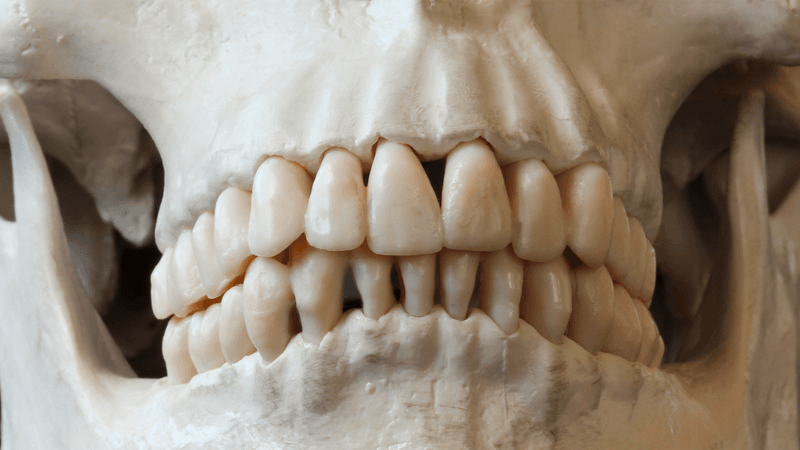
In collaboration with the University of Oxford, the Levens Local History Group, and the Wells and Mendip Museum, the research team examined human remains from two locations: a mass burial site in Charterhouse Warren, Somerset, and a ring cairn monument in Levens, Cumbria. By extracting dental pulp from the teeth of 34 individuals, the researchers were able to detect the presence of Yersinia pestis using specialized techniques in a clean room facility.
Genetic analysis revealed three cases of Yersinia pestis infection in two children aged between 10-12 years old at the time of their deaths, and one woman aged between 35-45. Radiocarbon dating indicated that these individuals likely lived during the same era.
While the plague has been previously identified in individuals across Eurasia during the Late Neolithic and Bronze Age period (5,000-2,500 years BP), this is the first evidence of its presence in Britain during that time. The wide geographical distribution suggests that this particular strain, known as the LNBA lineage, may have been easily transmitted.
The LNBA lineage is believed to have been introduced to Central and Western Europe approximately 4,800 years ago as humans expanded into Eurasia. This new research suggests that the lineage also reached Britain.
Using genome sequencing, the researchers found that the Yersinia pestis strain from the ancient British teeth closely resembled strains identified in Eurasia during the same period.
Interestingly, the genomes of these ancient strains were missing the yapC and ymt genes, which are present in later plague strains associated with flea-borne transmission. This indicates that this specific strain may not have relied on fleas for transmission, unlike the strain responsible for the Black Death.
Free for members
Keep reading — it's free
The rest of this article is open to DentalReach members. Create a free account, or sign in, and every article on the site opens in full.