
Abstract
Herbal treatments have been utilized to treat oral diseases and preserve dental hygiene in a variety of cultures since ancient times. Researchers have examined the pharmacological and phytochemical characteristics of substances produced from plants, and assessed how their extracts interact with inflammatory processes and oral infections. In recent years there has been growing interest in herbal dentistry which explores the use of medicinal plants and natural extracts as therapeutic alternatives for the management of oral diseases. This article explores two such traditional medicinal plants popularly used by patients, namely tulsi and clove, and its role in naturally reducing dental pain.
Introduction
Dental pain is the most common oral problem, often resulting from dental caries, periodontal diseases, gingival inflammation, periodical infections or post extraction trauma. Relying on herbal and natural ingredients to relieve dental pain has been a part of many cultures world wide. Studies on herbal treatments with exceptional antibacterial, anti-inflammatory, antioxidant, anticancer, anticaries, analgesic, and therapeutic qualities are included in literature since time immemorial. This includes scientific research on herbal treatments for a range of dental and oral health issues like gingivitis, oral ulcers, mucositis, periodontitis, oral infections, xerostomia, cancer, and dental caries to name a few. Two of the most common herbal ayurvedic medicinal plants – Tulsi and Clove have proven to reduce dental pain due to their anti-microbial, analgesic and anti-inflammatory properties. These herbs possess a wide variety of active components like alkaloids, flavonoids, tannins and essential oils. Both herbs provide a safe and environmentally friendly substitute for synthetic medications with negative side effects as they are readily available, reasonably priced, and biocompatible.Tulsi - The Queen of Herbs
Tulsi (Ocimum sanctum) a member of the Labiatae family, also known as holy basil, is a medicinal plant widely used in ayurveda. The leaves, blossoms, stem, root seeds, and other elements of tulsi have therapeutic qualities. The leaves contain majority of the medicinal qualities. Approximately 71% eugenol and 20% methyl eugenol make up the 0.7% volatile oil found in tulsi leaves, which act as local anesthetic and analgesic. The active constituents of tulsi include – eugenol, ursolic acid and rosmarinic acid.- Common mouth infections can be effectively treated with chewing tulsi leaves.
- Eugenol and linalool, which are found in tulsi oil, have antifungal properties that can help treat oral candidiasis
- Aids in the reduction of halitosis.
Mechanism Of Action
- Analgesic Effect – Eugenol inhibits prostaglandin synthesis, reduces pain and inflammation.
- Anti Inflammatory Effect – Decreases release of inflammatory mediators- eg- TNF – alpha, IL-6)
- Anti Microbial Properties – Active against streptococcus mutans, candida albicans and porphyromonas gingivalis.
- Antioxidant Effect- Neutralizes free radicals in inflamed or ulcerated tissues
Formulations In Use
- Raw tulsi leaves - consumed to heal oral infections and ulcers.
- Tulsi Oil- Applied with cotton swab on concerned area.
- Tulsi mouthwash - prepared from aqueous or ethanolic extracts – 0.5-2%
- Tulsi paste or gel – herbal formulations for topical use
- Tulsi tea or decoction – systemic anti-inflammatory support .
Clove - The Soothing Spice
Traditionally, clove (Syzygium aromaticum) has been used to alleviate mouth ulcers as well as tooth pain. Eugenol, the primary volatile oil found in cloves, is present in cloves. 72–90% of essential oils include it. The other components are methyl salicylate, crategolic acid, galatonic acid, vanillin, and beta cryophyllene. Cloves are used in dentistry to treat toothaches along with dental pain. A 2021 review of previous studies also notes that cloves exhibit antibacterial activity against several types of bacteria that can cause gum and tooth disease, such as Streptococcus mutans, Staphylococcus aureus, Candida albicans.Mechanism Of Action
- Eugenol cures toothaches because of its anesthetic properties.
- It has definite anti-inflammatory, anti-fungal, and anti-bacterial qualities because of its flavonoid content, which gives it an anti-inflammatory effect.
- It reduces halitosis as it has an antimicrobial action against Pneumomocci, Streptococci, and Staphylococci.
- It has an antiplaque impact and can cure periodontal and gingival diseases brought on by plaque.
Formulations In Use
- Plain Clove - if kept in mouth and chewed strengthens the gums
- Clove oil - available commercially to alleviate dental pain
- Clove mouthwash - has been shown in studies to have anti-gingivitis properties and its antifungal properties are used to treat oral candidiasis.
- Clove paste or gel - uses clove oil as a common ingredient for dental pain relief in herbal toothpastes
Advantages of Using Tulsi & Clove in Dental Pain Management
- Natural and biocompatible.
- Few side effects when used topically.
- Acts as both analgesic and antimicrobial.
- Cost-effective and easily available.
Limitations / Precautions in Using Tulsi & Clove in Dental Pain Management
- Direct concentrated oil may cause mucosal irritation.
- Should not replace standard dental therapy for pulpal or periodontal infections.
- Allergic reactions are rare but possible.
- Scientific evidence is limited to in vitro and small-scale studies.
- Difficulty in standardization of dosage & formulation
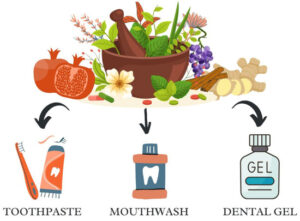 Prescribing gel formulations which contain these two ingredients, either individually or in combination, is the best way to incorporate tulsi and clove in dental pain management. These formulations may be more affordable, more readily available, and thought to be safer than their synthetic counterparts. Herbal gel formulations offer the following advantages -
Free for members
Keep reading — it's free
The rest of this article is open to DentalReach members. Create a free account, or sign in, and every article on the site opens in full.
