PRP Platelet Rich Plasma in Dentistry
BLOOD DERIVATIVES: PRP Platelet Rich Plasma in Dentistry
- PRP Platelet Rich Plasma in Dentistry (PRP)
- Platelet Rich Fibrin (PRF)
- Advanced Platelet Rich Fibrin (A-PRF)
- Injectable Platelet Rich Fibrin (I-PRF)
Introduction: PRP Platelet Rich Plasma in Dentistry
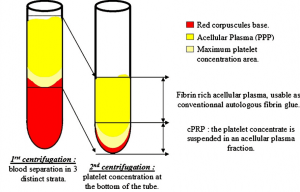
PLATELET RICH PLASMA (PRP): PRP Platelet Rich Plasma in Dentistry
The regenerative growth factor found in platelets, which are the reparative EQUIPMENTS: the procedure should involve the use of all sterile instruments.- Disposable Syringe To Collect Patients Blood
- Sterile Gauze Piece Or Swab
- Blood Collection Tubes
- Centrifugal Machine
- PRF when used in conjunction with bone grafts can offer several advantages including promoting wound healing, bone growth and maturation, graft stabilisation, wound sealing and homeostasis and improving the handling properties of graft material.
- PRF can also be used as a membrane.
- PRF can also be used to treat gingival recession.
INJECTABLE-PRF (I-PRF)
PRP has found its uses in regenerative dentistry as a supra-physiological concentrate of autologous growth factors, which is capable of stimulating tissue regeneration. Despite this, many scientific papers have expressed concerns regarding the use of anti-coagulants, agents which are known to inhibit wound healing. In one study, a liquid formulation of injectable platelet rich fibrin (I-PRF) without the use of anti-coagulants was investigated. This "super PRF" is produced with new type of tubes I-PRF specifically indicated for this preparation. The use of I-PRF in dentistry is in its early stages, but already the results in both oral surgery and regenerative medicine are very promising. Injection into the soft tissues usually increases vascularity and which will perhaps improve the biotype, injection into the bone graft particles (biomaterials) in order to coagulate and get a 'solid' which will be free of all movement granules. The graft clot interests lies in how to carve a bone graft and give it a compact form. The protocol for I-PRF is a real scientific and clinical innovation and will allow many dental surgeons to improve their results in bone grafts. Standard PRP and I-PRF (centrifuged at 700 rpm (60G) for 3min) were compared for growth factor release up to 10 days (8 donor samples). Furthermore, fibroblast biocompatibility at 24 h (live/dead assay); migration at 24h; proliferation at 1, 3, and 5 days, and expression of PDGF, TGF-S, and collagen1 at 3 and 7 days were investigated. Advanced Platelet Rich Fibrin (A-PRF) is a new advanced form of PRF that can help heal wounds anywhere in the body and also those sites involved in oral surgery, using the patient’s own blood . Unlike in Platelet Rich Plasma (PRP), A-PRF doesn’t contain additives. In addition to that, A- PRF is very rich in platelets, leukocyte cells (growth factor cells) and contains enriching fibrin – the most key ingredient responsible for initiating the healing of wound, with added antibacterial properties. A-PRF is more advanced than PRP due to having 20 times more leukocytes cells. It can be used inside of extraction sockets and around the dental implants to fast-track the process of bone and gum formation. It allows the implant to heal at an accelerated rate. When a wound is detected in the body, the healing process is initiated by rushing different cells to the wound. One of the main cell types is platelets. Platelets circulating in our blood are the cells which bind together when they recognize damaged blood vessels. When you get a cut or a wound, the platelets bind together at the site causing a blood clot which stops us from bleeding. This stimulates stem cells that help create new tissues. This overall process allows the body to heal faster and more efficiently.Free for members
Keep reading — it's free
The rest of this article is open to DentalReach members. Create a free account, or sign in, and every article on the site opens in full.