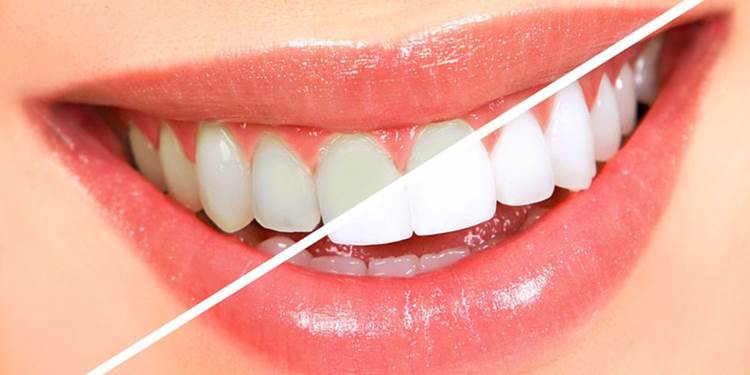
Teeth whitening continues to be one of the most sought-after esthetic treatments, but a new laboratory study has shed light on how teeth with white spot lesions (WSLs) respond very differently to bleaching compared to sound enamel. Researchers assessed the penetration of hydrogen peroxide (HP) into the pulp chamber and the overall bleaching efficacy in premolars with artificially induced WSLs against sound teeth. The study compared two common approaches: at-home bleaching using 16% carbamide peroxide and in-office bleaching with 35% hydrogen peroxide. What the study found The findings were striking. Teeth with WSLs that underwent in-office bleaching showed significantly higher hydrogen peroxide penetration than all other groups. This suggests that the higher concentration bleaching agent may diffuse more readily through the porous, demineralized enamel characteristic of WSLs. From an esthetic perspective, WSLs consistently showed less favorable optical outcomes compared to sound teeth. Even after bleaching, the L* (lightness) and WID (whiteness index) values were lower, leaving these teeth appearing less uniformly white. Interestingly, while WSLs exhibited higher redness values (a*) after at-home bleaching, no significant differences were noted in the yellowness values (b*) across groups. The study highlights two important takeaways:
- Increased HP penetration risk: WSLs are more permeable, particularly under in-office protocols, which could potentially raise concerns regarding pulp safety.
- Esthetic limitations: Bleaching does not fully mask WSLs; the lesions tend to remain visible, resulting in less satisfying cosmetic outcomes.
Explore more with DentalReach
Read the DentalReach dental magazine for professional perspectives, browse clinical dental articles for practical learning, and follow dental news for updates across the profession. You can also read our dental magazine editions.
Free for members
Keep reading — it's free
The rest of this article is open to DentalReach members. Create a free account, or sign in, and every article on the site opens in full.