Restorative & Aesthetic Dentistry

Home Care Instructions After Tooth Bleaching: A Patient Guide

The longevity of tooth bleaching results relies on proper post-treatment care. During the initial days following bleaching, patients should avoid pigmented foods and beverages, maintain gentle oral hygiene, and manage sensitivity using desensitizing agents. With appropriate dietary control, consistent hygiene practices, and regular dental follow-ups, patients can minimize complications and maintain a brighter, healthier smile for longer.

TD

Team DentalReach

4 min read23,385 views
  • oral hygiene
  • dietary precautions
  • professional education
  • sensitivity management
  • dentistry
  • tooth bleaching
  • post-treatment care
  • restaining prevention
  • Restorative & Aesthetic Dentistry
  • Clinical & Academic Article

Abstract

Tooth bleaching is a widely used cosmetic dental procedure, but its success depends heavily on post-treatment care. The first 48–72 hours after bleaching are critical, as enamel is temporarily more porous and prone to sensitivity and restaining. This guide outlines essential home care instructions, including dietary precautions, oral hygiene practices, sensitivity management, and maintenance strategies, to help patients preserve whitening results safely and effectively.

Instructions to the Dentist

Tooth bleaching is among the most popular cosmetic dental procedures, offering patients a minimally invasive path to a brighter smile.Whether performed in-office or at home, bleaching uses peroxide-based agents to oxidize chromogenic compounds within teeth, producing a lighter appearance.

Many patients underestimate post-treatment care importance. The 48 to 72 hours following bleaching represent a critical window when teeth are susceptible to restaining and sensitivity. The enamel's protective pellicle layer is temporarily disrupted, leaving teeth vulnerable to pigment absorption. Hence, evidence-based home care instructions addressing dietary modifications, sensitivity management, oral hygiene practices, and maintenance strategies will equip patients to extend whitening longevity and manage temporary side effects.

An instruction sheet for dental patients after tooth bleaching has been prepared. The dentist may share the link of this article or hand out a print of this sheet to their patients from here on. Don't forget to give credits to DentalReach!

Home Care Instructions After Tooth Bleaching: A Patient Guide

Congratulations on your new bright smile! Remember that the longevity of your teeth whitening procedure results depends significantly on post-treatment care. Following these guidelines will help you maximize results while minimizing complications such as sensitivity and restaining.

1. The Post-Bleaching Window The first 48 to 72 hours after bleaching are critical. Temporary demineralization from bleaching agents leaves enamel slightly more porous, allowing chromogens from foods and beverages to penetrate more easily. Remineralization, supported by saliva and fluoride, typically restores normal enamel properties within two to three days.

2. Dietary Modifications: The "White Diet" During the initial period, patients should follow the "white diet," avoiding pigmented substances while favoring lighter alternatives.

Avoid: Coffee, tea, red wine, dark sodas, berries, tomato sauce, curry, soy sauce, balsamic vinegar, and all tobacco products.

Safe choices: Water, milk, chicken, fish, rice, pasta with white sauce, bananas, potatoes, cauliflower, and white cheese.

​In a situation where you cannot avoid consuming coloured beverages that might cause discoloration, use a straw .

Practical tip:If a food would stain a white shirt, it will likely stain freshly bleached teeth.

3. Managing Tooth Sensitivity Sensitivity affects 60 to 70 percent of patients, typically manifesting as sharp pain to cold stimuli. It usually peaks within 24 to 48 hours and subsides over several days.
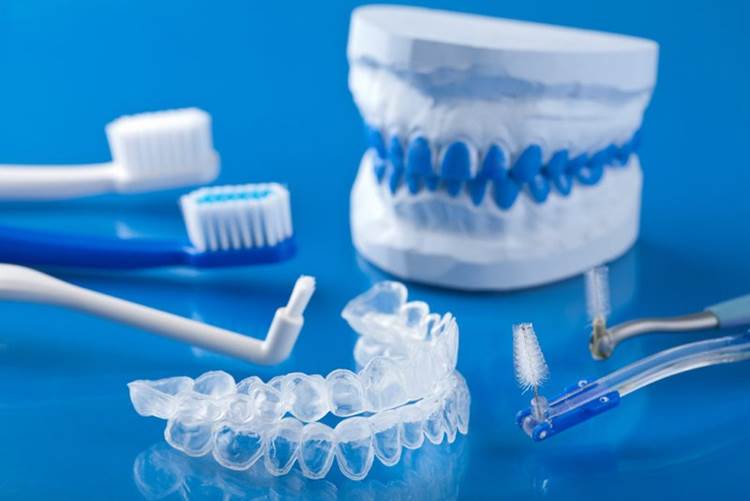
Management strategies: Use desensitizing toothpaste containing potassium nitrate before, during, and after treatment as suggested by your dentist. Over-the-counter analgesics like ibuprofen may help. Avoid temperature extremes and use straws for cold drinks. Contact your dentist if sensitivity persists beyond two weeks.

4. Oral Hygiene Practices Continue brushing twice daily with a soft-bristled toothbrush. Use desensitizing toothpaste rather than whitening formulas during the first week to minimize irritation. Fluoride toothpaste and rinses support enamel remineralization. Continue daily flossing to maintain interproximal cleanliness.

5. Long-Term Maintenance Results typically last six months to two years depending on diet, tobacco use, and oral hygiene. Contact your dentist to know more about touch-up treatments every three to six months using custom trays help maintain consistent shade. After the initial post-bleaching period, whitening toothpastes recommended by your dentist can help address surface staining between sessions.

6. Special Considerations

•Existing restorations (fillings, crowns, veneers) do not change color with bleaching and may require replacement for proper color matching.

•Mild gingival irritation may occur despite protection during procedure but typically resolves within days; warm saltwater rinses can soothe tissues.

•Bleaching is not recommended during pregnancy or nursing.

7. When to Contact Your Dentist Seek professional evaluation for severe sensitivity lasting beyond two weeks, significant gum inflammation, uneven results, or unexpected reactions. You may need to visit your dentist for evaluating your oral hygiene, performing timely professional cleaning/scaling procedures, and periodic whitening touch-ups.

Related reading: Common Mistakes During Tooth Bleaching: Clinical Pitfalls And How To Avoid Them.

References

  1. [1]American Dental Association. Tooth Whitening/Bleaching: Treatment Considerations ADA Council on Scientific Affairs.. 2023
  2. [2]Carey, C. Tooth whitening: What we now know Journal of Evidence-Based Dental Practice. 2014
  3. [3]Goldberg, M. Undesirable and adverse effects of tooth-whitening products Clinical Oral Investigations. 2010
  4. [4]Haywood, V. Nightguard vital bleaching: Current concepts and research Journal of the American Dental Association. 2006
  5. [5]Joiner, A. Tooth colour and whiteness: A review Journal of Dentistry. 2017
  6. [6]Li, Y. Safety issues of tooth whitening using peroxide-based materials British Dental Journal. 2013