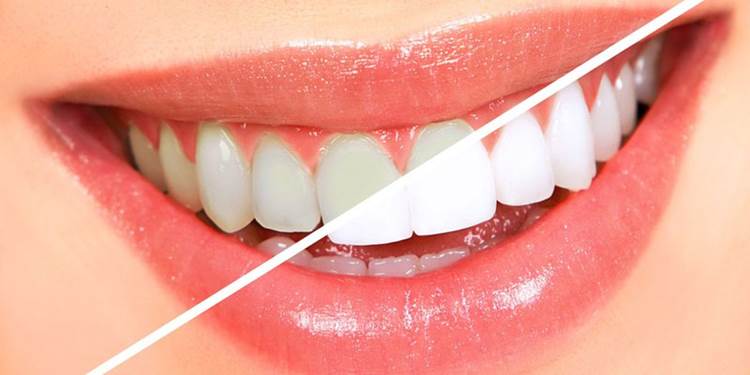
INTRODUCTION
The pursuit of an attractive smile has made tooth bleaching one of the most popular esthetic procedures in modern dentistry. Advances in bleaching materials and techniques have significantly improved treatment outcomes, making bleaching a minimally invasive alternative to restorative treatment for discolored teeth.
Despite its simplicity, successful bleaching requires a thorough understanding of discoloration etiology, bleaching chemistry, patient expectations, and proper clinical protocols. Many failures occur not because of the bleaching agent itself but due to clinician-related errors before, during, or after treatment.
Understanding these common mistakes allows clinicians to improve treatment predictability while minimizing complications and enhancing patient satisfaction.
INADEQUATE DIAGNOSIS OF TOOTH DISCOLORATION
Initiating bleaching treatment without determining the cause of discoloration.
Many clinicians assume all stains will respond similarly to bleaching.
Clinical consequences
Poor whitening results
Patient dissatisfaction
Unnecessary retreatment
Delayed definitive treatment
Clinical correction
Identify the type of discoloration:
The following stains usually respond well to bleaching:
Extrinsic stains
Tea
Coffee
Tobacco
Red wine
The following stains may require prolonged bleaching or alternative treatment:
Intrinsic stains
Tetracycline
Fluorosis
Trauma
Aging
Clinical insight
A proper diagnosis is more important than selecting the strongest bleaching agent.
FAILURE TO ASSESS EXISTING RESTORATIONS
Beginning bleaching without evaluating anterior restorations.
Clinical consequences
Color mismatch
Patient dissatisfaction
Esthetic compromise
Clinical correction
Inform patients that bleaching affects natural tooth structure but does not change the color of:
ØComposite restorations
ØVeneers
ØCrowns
ØBridges
Clinical insight
Many patient complaints arise not from inadequate whitening but from untreated restoration shade mismatch.
UNREALISTIC PATIENT EXPECTATIONS
Promising extremely white "hollywood" results regardless of baseline shade.
Clinical consequences
Dissatisfied patients
Repeated treatment requests
Loss of confidence
Clinical correction
Use:
ØShade guides
ØClinical photographs
ØDigital smile simulations
ØDiscuss realistic outcomes before treatment.
Clinical insight
Patient satisfaction depends more on expectation management than final shade achieved.
IGNORING CONTRAINDICATIONS
Performing bleaching despite existing oral disease.
Clinical consequences
ØIncreased sensitivity
ØPain
ØPulpal irritation
ØGingival complications
Clinical correction
ØTreat first:
ØActive caries
ØLeaking restorations
ØCracked teeth
ØGingival inflammation
ØPeriodontal disease
Clinical insight
Bleaching should never be used as a substitute for comprehensive dental treatment.
FAILURE TO PERFORM PRE-BLEACHING PROPHYLAXIS
Bleaching teeth covered with plaque, calculus, or extrinsic stain.
Clinical consequences
Uneven whitening
Patchy appearance
Reduced efficacy
Clinical correction
Clinical correction
Perform:
Scaling
Polishing
Oral hygiene reinforcement
Before bleaching.
Clinical insight
A clean tooth surface allows more uniform penetration of bleaching agents.
USING EXCESSIVELY HIGH CONCENTRATIONS WITHOUT INDICATION
Assuming higher concentration equals better results.
Clinical consequences
Severe sensitivity
Gingival burns
Patient discomfort
Clinical correction
Clinical correction
Select concentration based on:
Type of discoloration
Patient sensitivity history
Treatment goals
Clinical insight
The strongest bleaching gel is not always the most effective treatment.
INADEQUATE SOFT TISSUE PROTECTION
Poor isolation during in-office bleaching.
Clinical consequences
Chemical burns
Gingival irritation
Soft tissue ulceration
Clinical correction
Use:
Gingival barrier
Rubber dam when indicated
Lip retractors
Protective eyewear
Clinical insight
Most bleaching-related soft tissue injuries are entirely preventable.
EXCESSIVE BLEACHING TIME
Extending application time beyond manufacturer recommendations.
Clinical consequences
Increased sensitivity
Soft tissue irritation
No significant improvement in whitening
Clinical correction
Strictly follow recommended protocols.
Clinical insight
Longer exposure does not always translate into a whiter outcome.
OVERLOOKING TOOTH SENSITIVITY RISK
Ignoring pre-existing dentinal hypersensitivity.
Clinical consequences
Severe postoperative discomfort
Treatment discontinuation
Clinical correction
Assess sensitivity before treatment.
Consider:
Potassium nitrate
Cpp-acp products
Fluoride desensitizers
Clinical insight
Sensitivity is the most common complication associated with bleaching.
POOR CUSTOM TRAY FABRICATION
Improper tray design for home bleaching.
Clinical consequences
Uneven bleaching
Gel leakage
Gingival irritation
Clinical correction
Ensure trays:
Fit accurately
Have proper extension
Retain gel effectively
Clinical insight
A well-designed tray is often more important than the bleaching material itself.
EXCESSIVE BLEACHING GEL APPLICATION
Patients frequently overfill trays.
Clinical consequences
Gingival irritation
Soft tissue burns
Increased sensitivity
Clinical correction
Educate patients to use:
Small drop per tooth compartment
Clinical insight
Most patients use significantly more bleaching gel than required.
IGNORING COMPLIANCE DURING HOME BLEACHING
The mistake
Assuming patients follow instructions correctly.
Clinical consequences
Uneven results
Over-bleaching
Increased sensitivity
Clinical correction
Provide written instructions and regular follow-up.
Clinical insight
Patient compliance is one of the strongest predictors of treatment success.
FAILURE TO IDENTIFY INTERNAL DISCOLORATION
The mistake
Treating non-vital discoloration with conventional external bleaching.
Clinical consequences
Minimal improvement
Prolonged treatment
Clinical correction
Consider internal bleaching for:
Trauma-related discoloration
Endodontically treated teeth
Clinical insight
External bleaching alone rarely corrects severe internal discoloration.
IMMEDIATE PLACEMENT OF COMPOSITE RESTORATIONS AFTER BLEACHING
The mistake
Restoring immediately after bleaching.
Clinical consequences
Reduced bond strength
Restoration failure
Clinical correction
Wait:
1–2 weeks after bleaching
Before adhesive procedures.
Clinical insight
Residual oxygen interferes with resin polymerization and bonding.
EXCESSIVE USE OF LIGHT-ACTIVATED BLEACHING
The mistake
Believing activation lights always improve outcomes.
Clinical consequences
Increased heat generation
Enhanced sensitivity
Limited additional whitening
Clinical correction
Use light activation only when supported by manufacturer protocols.
Clinical insight
Most whitening occurs because of the bleaching agent—not the light source.
FAILURE TO ADDRESS LIFESTYLE FACTORS
The mistake
Ignoring patient habits that contribute to staining.
Clinical consequences
Rapid relapse
Frequent retreatment
Clinical correction
Advise reduction of:
Coffee
Tea
Tobacco
Red wine
Colored beverages
Clinical insight
Bleaching success depends heavily on post-treatment habits.
OVER-BLEACHING TEETH
The mistake
Repeated whitening procedures without indication.
Clinical consequences
Increased translucency
Patient dissatisfaction
Heightened sensitivity
Clinical correction
Monitor shade changes carefully and stop treatment when desired results are achieved.
Clinical insight
The whitest shade is not always the most esthetic shade.
INADEQUATE POST-BLEACHING INSTRUCTIONS
The mistake
Failing to provide maintenance guidelines.
Clinical consequences
Early relapse
Patient dissatisfaction
Clinical correction
Recommend:
White diet for 48 hours
Good oral hygiene
Periodic maintenance
Clinical insight
The first 24–48 hours after bleaching are critical for color stability.
FAILURE TO DOCUMENT SHADE CHANGES
The mistake
No baseline shade records.
Clinical consequences
Difficulty evaluating success
Patient uncertainty
Clinical correction
Document:
Initial shade
Final shade
Clinical photographs
Clinical insight
Patients often forget their original tooth shade and underestimate treatment success.
For multidisciplinary aesthetic planning and consent context, see Smile Design: Aesthetic Dentistry Planning Guide.