Loading professionals
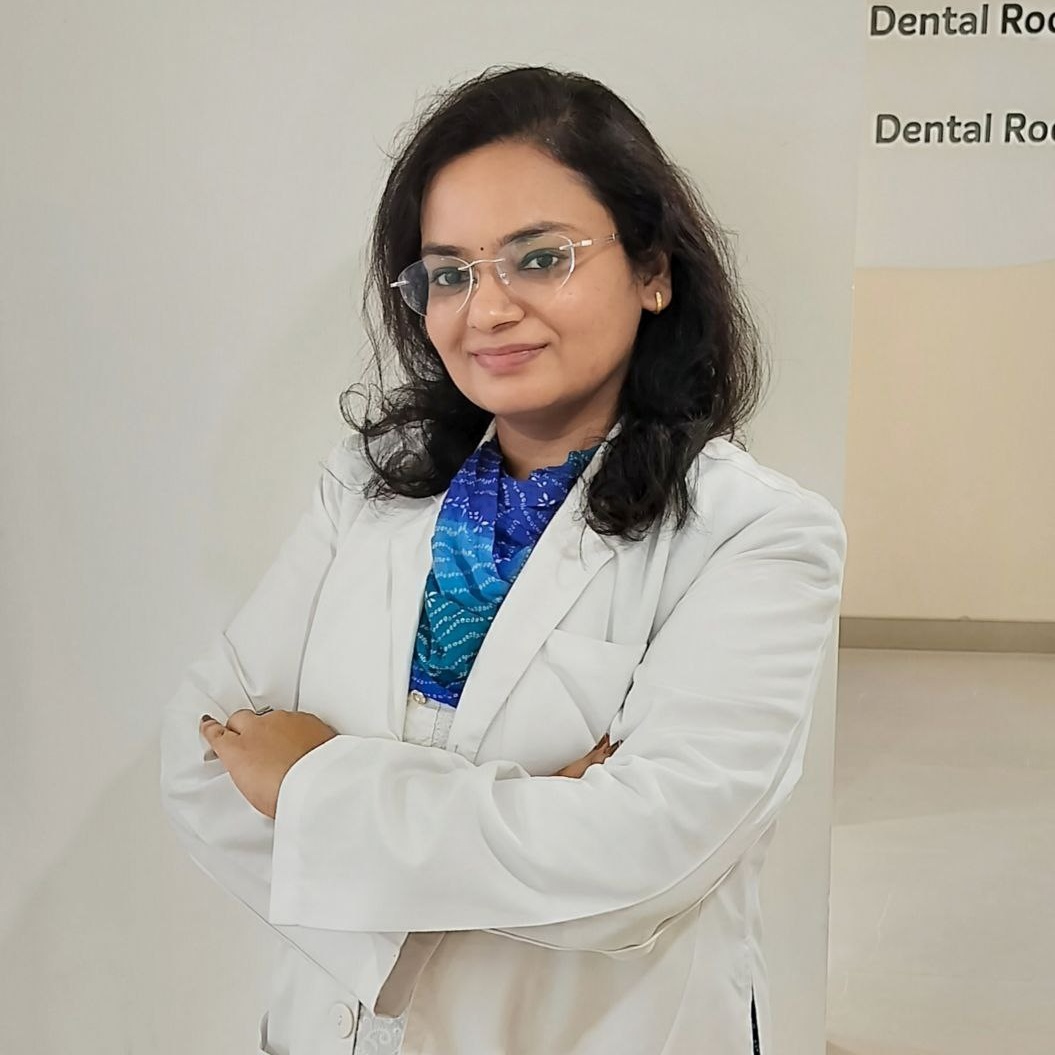
MDS Conservative Dentistry and Endodontics · 3 years of experience
Ranked on 5 published articles. This position compares the seven published signals with other members; it is recalculated from recorded activity, not chosen by DentalReach.
MDS
BDS
No reviews of Dr Aishwarya yet
Reviews from verified members and from patients who were sent a review link appear here once a moderator has read them.
Reviews are written by verified DentalReach members and read by a moderator before they appear. They are shown on Dr Aishwarya's page at /dentists/dr-aishwarya-arya.
Are you a patient? Ask your dentist for a review link — Dr Aishwarya can send you one from their DentalReach profile.
Bridging the gap between laboratory discovery and chairside implementation requires a paradigm shift in how academic careers are structured. Dental researchers must be equipped to lead multi-disciplinary teams across bioengineering, genomics, and translational medicine rather than remaining confined to traditional clinical silos through evidence based practise and research in todays era. (Giannobile WV, Lang NP (2023)
7 Aug 2026 · 5 min read · 56k views
Patients often require treatment involving multiple specialties such as oral medicine, periodontics, orthodontics, prosthodontics, oral and maxillofacial surgery, pediatric dentistry, endodontics, and oral radiology. Strong interdepartmental coordination minimizes treatment delays, prevents duplication of procedures, enhances learning among professionals, and improvepatient satisfaction. This paper discusses the concept, importance, principles, and clinical applications of interdepartmental relationships in dentistry. It also highlights the collaborative role of each dental specialty, the challenges encountered in interdisciplinary practice, and strategies to strengthen teamwork in dental institutions.
21 Jul 2026 · 5 min read · 16k views
Although modern endodontics has undergone substantial technological advancement, procedural errors continue to occur in routine practice. Studies have shown that many endodontic failures are associated not with the biological complexity of the disease itself but with iatrogenic errors occurring during treatment. Such mistakes can compromise canal disinfection, weaken tooth structure, damage periodontal tissues, or hinder complete obturation of the root canal system which further reduces the prognosis of the treatment. Importantly, many of these mishaps are preventable through careful planning, adherence to established treatment protocols, and an understanding of root canal anatomy.
26 Jun 2026 · 5 min read · 9.2k views
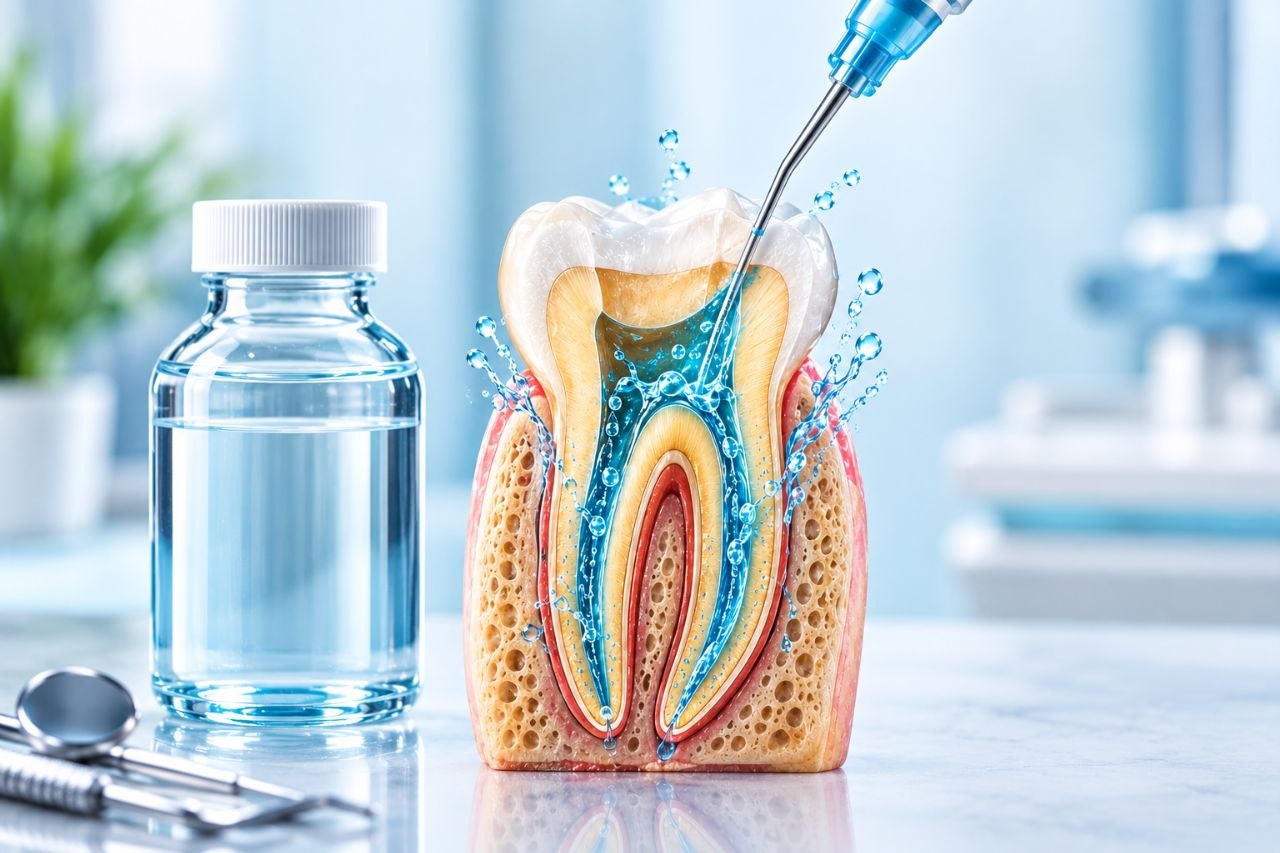
Various medicaments such as calcium hydroxide, chlorhexidine, antibiotic pastes, corticosteroid-antibiotic combinations, bioceramic medicaments, and strontium-based formulations have been advocated depending upon the clinical scenario. The choice of medicament depends on factors including pulpal status, microbial flora, periapical pathology, exudation, resorption, and patient-specific considerations. While calcium hydroxide remains the gold standard because of its antimicrobial and hard tissue induction properties, newer materials such as bioceramic medicaments offer enhanced biocompatibility and bioactivity. Strontium-based formulations have also gained attention for their remineralization and osteogenic potential.
17 May 2026 · 5 min read · 194k views
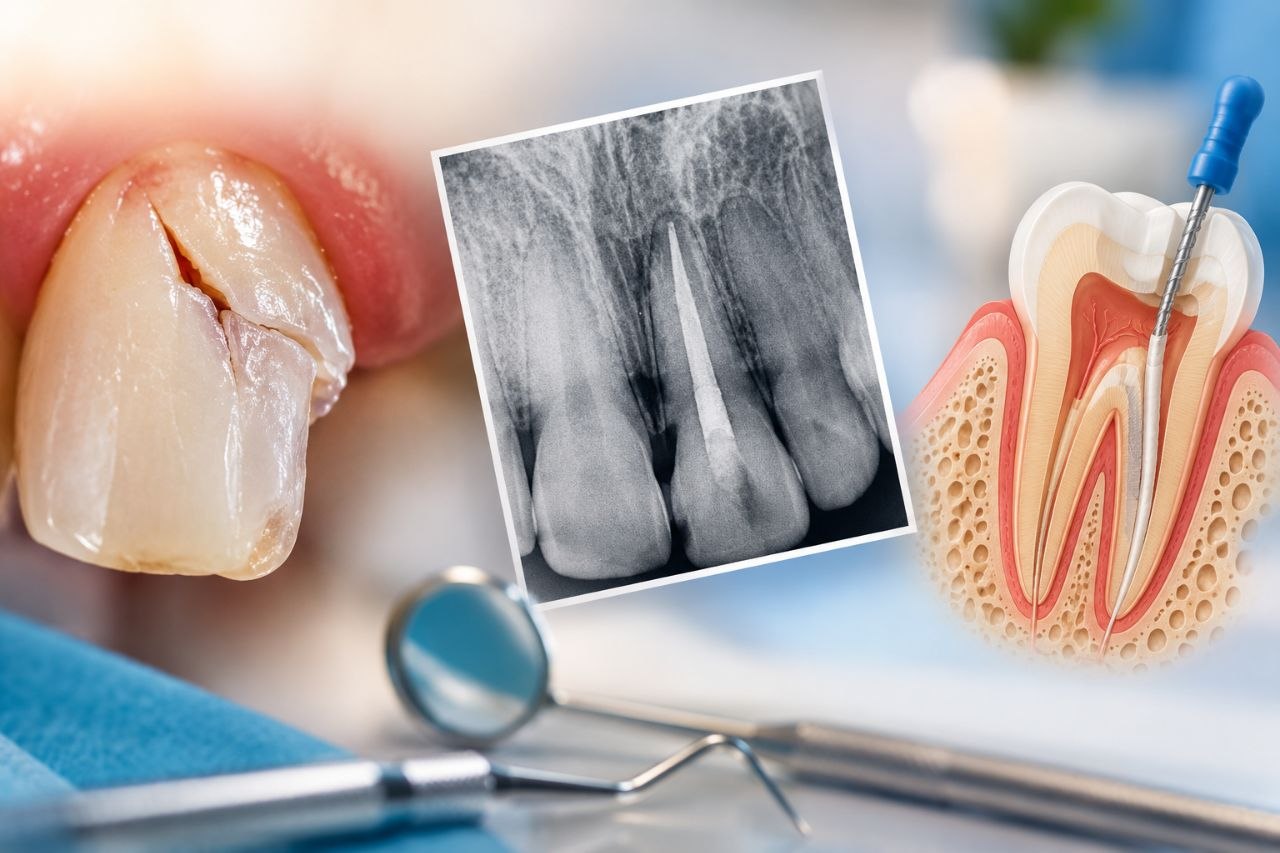
Root canal retreatment cases are performed when a previously treated tooth continues to show pain, infection, swelling, or failure to heal properly. Common reasons for retreatment include missed canals, inadequate cleaning, leakage from a faulty restoration, or reinfection due to recurrent decay. During retreatment, the old filling material is removed, the canals are cleaned and disinfected again, and the tooth is sealed properly to improve long-term success. Early diagnosis and careful case selection are important for achieving a favorable outcome.
18 Apr 2026 · 5 min read · 126k views