Group Pharma’s ELSENZ CDE Program Brings Global Bioactive Glass Research to Indian Dentistry
India’s dental community recently witnessed a unique scientific outreach initiative that brought global research in preventive dentistry directly to clinicians, students, and academic institutions.
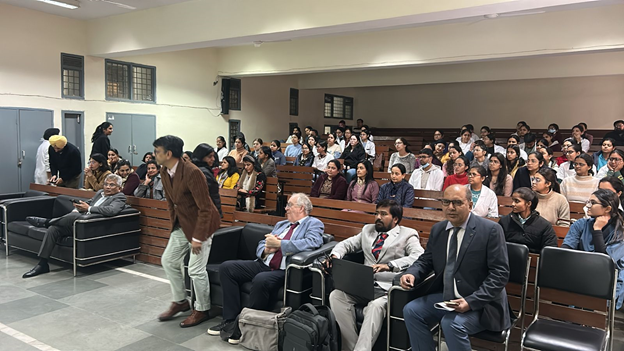
The sessions highlighted how bioactive glass is reshaping oral care and why preventive, research-driven dentistry is gaining global momentum. Through conferences, institutional visits, and interactive sessions, the initiative engaged numerous dental professionals, clinical practitioners, academicians, and students.
A Global Scientific Voice: Dr. Robert Hill
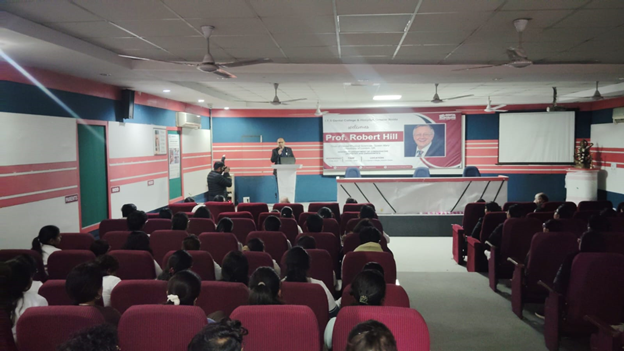
A key highlight of the program was the participation of Dr. Robert Hill, Professor of Dental Physical Sciences at Queen Mary University of London and the inventor of BioMin® bioactive glass. Widely recognized for his work in dental materials science, Dr. Hill’s research focuses on enamel remineralization, controlled ion release, and minimally invasive dentistry.
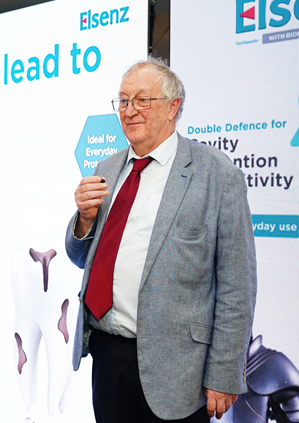
Professor Robert Hill, BSc. MsC. Ph.D. DIC.
Professor of Physical Sciences in Relation to Dentistry
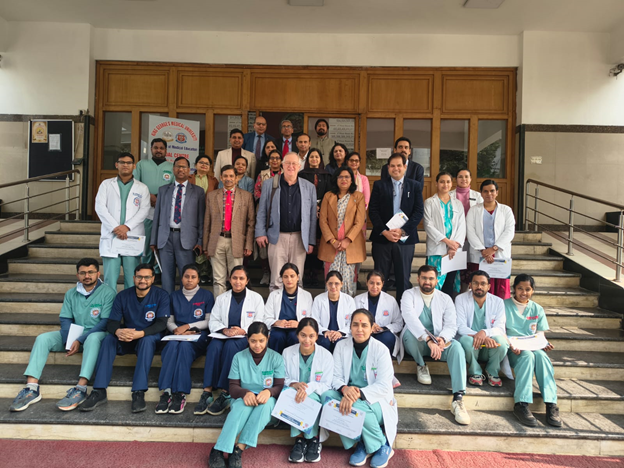
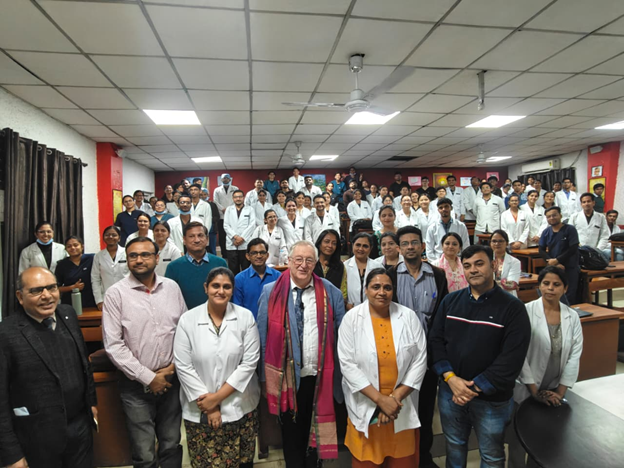
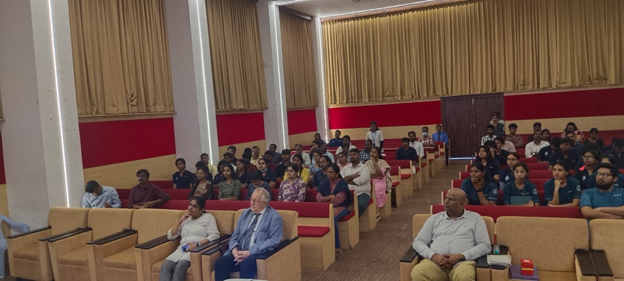
His visit brought strong academic credibility to the initiative, reinforcing the growing global interest in preventive oral care technologies. During the tour, Dr. Hill visited leading institutions including:
King George’s Medical University (KGMC), Lucknow
Safdarjung Hospital, Delhi
ITS Dental College, Noida
Government Dental College, Indore
Saveetha Dental College, Chennai
He also delivered a keynote lecture at the IDA Conference in Kolkata, where nearly 500 dentists participated in scientific discussions and knowledge exchange.
The Science Spotlight: Bioactive Glass in Preventive Dentistry
At the core of the CDE program was the science of bioactive glass, a dental biomaterial that reacts with saliva to release calcium, phosphate, and fluoride ions over time. Unlike traditional toothpaste that offers short-term relief, bioactive glass actively interacts with tooth structure to support long-term enamel repair and protection.
The sessions explored how this technology represents a shift in dentistry—from treating damage to preventing it.
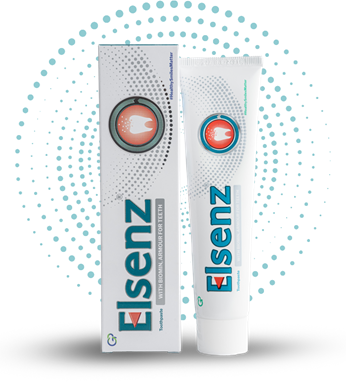
Understanding BioMin® Technology
The scientific discussions centered around BioMin®, a patented form of fluoride-containing bioactive glass designed for slow and sustained ion release. Research shows this technology can:
Support enamel remineralization
Reduce dentinal hypersensitivity
Strengthen teeth over time
Promote preventive oral care
The concept of controlled ion release resonated strongly with clinicians, aligning with modern preventive and minimally invasive treatment philosophies.
Free for members
Keep reading — it's free
The rest of this article is open to DentalReach members. Create a free account, or sign in, and every article on the site opens in full.

