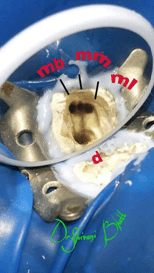
1. How do I locate the extra canals in maxillary and mandibular teeth?
To effectively locate extra canals, one must first have a thorough understanding of tooth anatomy. Each tooth can have multiple roots and root canals:- Maxillary Molars: Typically have three roots (two buccal and one palatal) but can contain four or more canals.
- Mandibular Molars: Usually have two roots (one mesial and one distal), but it's not uncommon to find three or more canals.
Commonly Missed Canals
Certain types of teeth are more prone to having missed canals:- Maxillary First Molars: These often have a fourth canal located in the mesiobuccal root, known as MB2. This canal is typically smaller and harder to locate without magnification.
- Mandibular Incisors: These teeth usually present with one canal but may have two (a second lingual canal) that might be overlooked due to its small size.
Radiographic Techniques to Search For a Missed Canal
- Multiple Angles: Taking radiographs from different angles can help reveal hidden canals.
- Cone Beam Computed Tomography (CBCT): This advanced imaging technique provides 3D images of teeth structure, offering detailed information on the number and configuration of root canals.
Clinical Techniques to Search For a Missed Canal
- Magnification: Using loupes or an operating microscope enhances visibility inside the tooth.
- Illumination: Proper lighting is essential. Fiber optic illumination or LED lights can help identify tiny openings leading to extra canals.
- Tactile Exploration: Gently probing with fine instruments like endodontic explorers can help detect additional canal entrances.
Advanced Techniques for Canal Location
Employing advanced techniques can significantly increase your success rate in identifying all existing canals:Ultrasonic Tips
Ultrasonic tips are useful for removing dentin overhangs that may obscure additional canals.Dyes
Staining agents like methylene blue dye can highlight cracks, fractures, or additional canal openings when applied inside the pulp chamber.GentleWave® System
This innovative technology uses fluid dynamics and acoustic energy to clean complex anatomies within root systems thoroughly, potentially revealing hidden canals.Conclusion
Locating extra canals in maxillary and mandibular teeth is critical for the success of root canal treatments. By leveraging advanced diagnostic tools such as CBCT scans, utilizing clinical enhancements like magnification and proper illumination, employing tactile exploration techniques, and staying informed through continuing education, dental professionals can significantly improve their ability to identify these commonly missed structures.2. How do I treat hot tooth in RCT?
A "hot tooth" is a term used to describe a tooth with severe, spontaneous pain that is difficult to anesthetize during root canal treatment (RCT). This condition can present significant challenges for dental professionals and requires specialized techniques for effective management. Usually these teeth have irreversible pulpitis or acute apical periodontitis. These conditions are characterized by intense pain, often triggered by thermal stimuli or pressure.Causes of Hot Tooth
Several factors contribute to the difficulty in anesthetizing a hot tooth:- Inflammation: Inflammation increases nerve sensitivity and lowers the pH of surrounding tissues, reducing the efficacy of local anesthetics.
- Hyperalgesia: Heightened pain response due to sensitized nerve fibers.
- Anatomical Variations: Complex root canal anatomy may impede proper delivery of anesthetic solutions.
Techniques for Effective Anesthesia
Achieving effective anesthesia is crucial for performing painless RCT on a hot tooth. Here are some advanced techniques that can help:- Preoperative Medication: Administering preoperative non-steroidal anti-inflammatory drugs (NSAIDs) or corticosteroids can reduce inflammation and improve the effectiveness of local anesthesia.
- Use of Buffered Anesthetics: Buffered anesthetics adjust the pH of the solution closer to physiological levels, enhancing its efficacy in inflamed tissues. Sodium bicarbonate is commonly used as a buffering agent.
Supplemental Anesthesia Techniques
- Intraosseous Anesthesia: Involves injecting anesthetic directly into the bone adjacent to the affected tooth. This technique bypasses inflamed tissues, providing immediate and profound anesthesia.
- Intraligamentary Injection (PDL Injection): Anesthetic solution is injected into the periodontal ligament space around the tooth. This method provides localized anesthesia without affecting surrounding tissues.
- Intrapulpal Injection: Direct injection into the pulp chamber after gaining access through caries or decay. Though initially painful, it provides rapid relief once administered correctly.
Postoperative Pain Care
Proper postoperative care ensures successful recovery and minimizes complications:- Pain Management: Prescribe appropriate analgesics such as NSAIDs or acetaminophen based on individual patient needs. Avoid opioids unless absolutely necessary due to their potential for addiction.
- Follow-Up Appointments: Schedule follow-up appointments to monitor healing progress, address any complications early on, and ensure complete resolution of symptoms.
Conclusion
Treating a hot tooth during root canal therapy requires advanced techniques for achieving effective anesthesia amidst challenging conditions. By employing supplemental anesthesia methods like intraosseous injections or buffered anesthetics along with careful handling during treatment procedures, dental professionals can manage these cases successfully.3. How do I treat weeping canals?
Weeping canals can be a challenging aspect of root canal treatment (RCT), often indicating persistent infection or inflammation within the tooth. This condition is characterized by continuous exudation of fluid from the canal, which can complicate the cleaning and shaping process. Weeping canals are typically a sign of chronic periapical infection or severe inflammation.Free for members
Keep reading — it's free
The rest of this article is open to DentalReach members. Create a free account, or sign in, and every article on the site opens in full.