Reviewed topic
Dr Aishwarya Arya
Articles
Endodontics
Sodium Hypochlorite - Powerhouse Of Root Canal Treatment
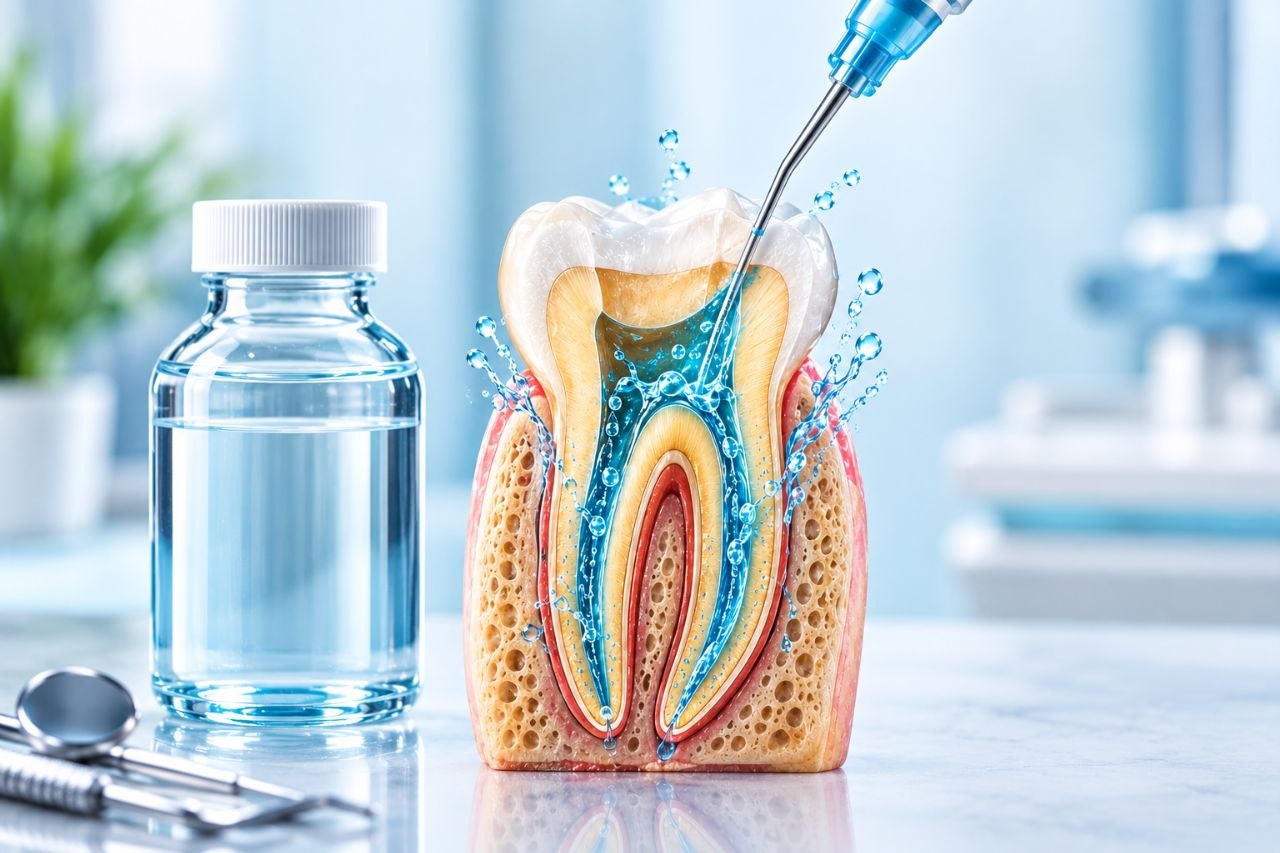
Sodium hypochlorite is not simply an irrigant—it is an active chemical instrument of endodontic therapy. Its success depends on concentration, volume, replenishment, contact time, activation, and safe delivery. Used correctly, it complements mechanical instrumentation and helps achieve the level of chemical debridement that instruments alone cannot provide.
Dr Aishwarya Arya
5 Oct 2026 · 16 views
Endodontics
Root Canal Treatment In Traumatic Teeth: Management Of Fractures And Avulsion
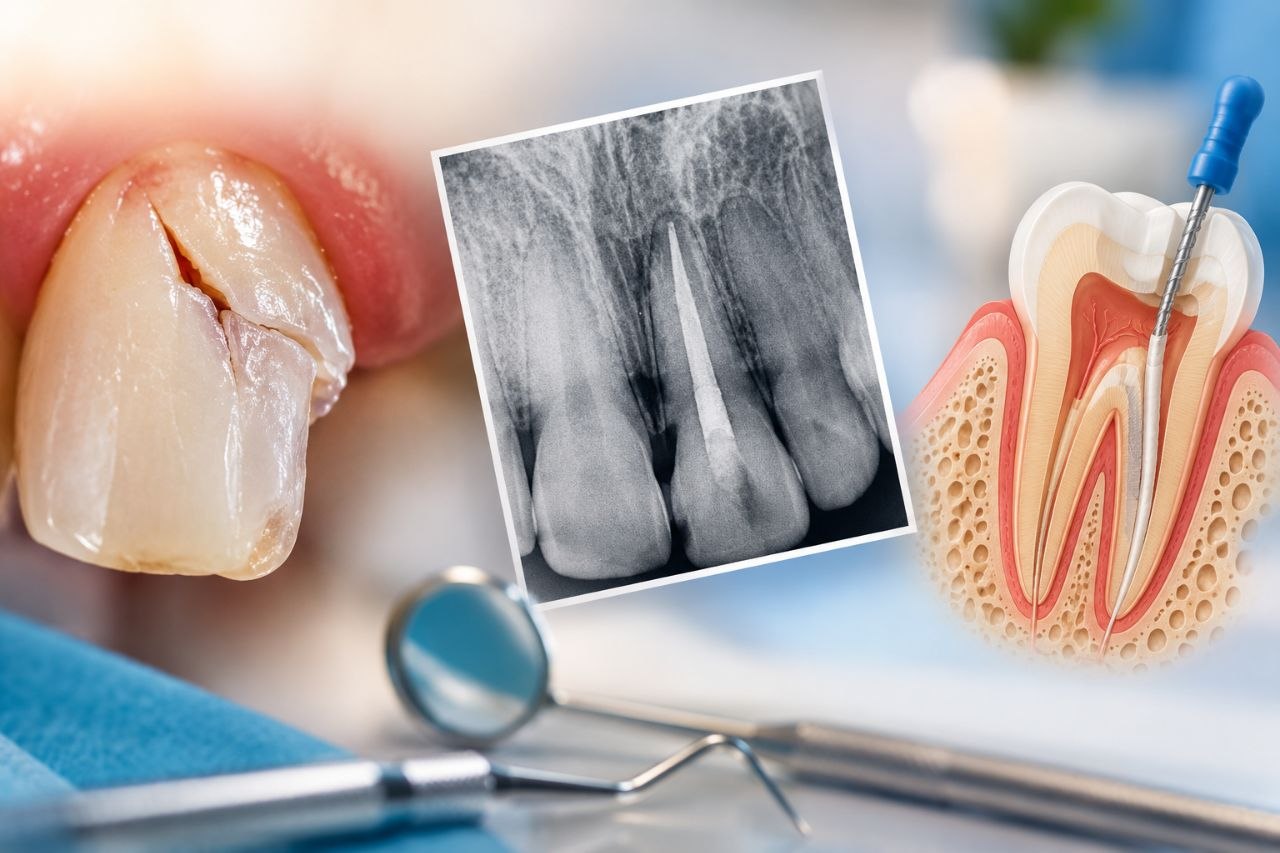
Avulsion is an especially time-sensitive emergency. Replantation of a permanent tooth should be performed as soon as possible because the condition of the periodontal ligament is a major determinant of prognosis. In mature avulsed teeth, endodontic treatment is generally required because revascularization of the necrotic pulp is unlikely. In immature teeth, preservation of the possibility of pulp revascularization and continued root development becomes an important consideration.
Dr Aishwarya Arya
29 Sept 2026 · 21 views
Preventive & Community Dentistry
Dental Research and Education: Career Pathway Guide
Bridging the gap between laboratory discovery and chairside implementation requires a paradigm shift in how academic careers are structured. Dental researchers must be equipped to lead multi-disciplinary teams across bioengineering, genomics, and translational medicine rather than remaining confined to traditional clinical silos through evidence based practise and research in todays era. (Giannobile WV, Lang NP (2023)
Dr Aishwarya Arya
7 Aug 2026 · 56k views
Endodontics
COMMON MISTAKES DURING ROOT CANAL TREATMENT PROCEDURES: CAUSES, CONSEQUENCES, PREVENTION AND MANAGEMENT
Although modern endodontics has undergone substantial technological advancement, procedural errors continue to occur in routine practice. Studies have shown that many endodontic failures are associated not with the biological complexity of the disease itself but with iatrogenic errors occurring during treatment. Such mistakes can compromise canal disinfection, weaken tooth structure, damage periodontal tissues, or hinder complete obturation of the root canal system which further reduces the prognosis of the treatment. Importantly, many of these mishaps are preventable through careful planning, adherence to established treatment protocols, and an understanding of root canal anatomy.
Dr Aishwarya Arya
26 Jun 2026 · 9.2k views
Endodontics
Contemporary Intracanal Medicaments in Endodontics: A Clinical Guide
Various medicaments such as calcium hydroxide, chlorhexidine, antibiotic pastes, corticosteroid-antibiotic combinations, bioceramic medicaments, and strontium-based formulations have been advocated depending upon the clinical scenario. The choice of medicament depends on factors including pulpal status, microbial flora, periapical pathology, exudation, resorption, and patient-specific considerations. While calcium hydroxide remains the gold standard because of its antimicrobial and hard tissue induction properties, newer materials such as bioceramic medicaments offer enhanced biocompatibility and bioactivity. Strontium-based formulations have also gained attention for their remineralization and osteogenic potential.
Dr Aishwarya Arya
17 May 2026 · 194k views

Endodontics
Endodontic Retreatment Cases: A Comprehensive Review
Root canal retreatment cases are performed when a previously treated tooth continues to show pain, infection, swelling, or failure to heal properly. Common reasons for retreatment include missed canals, inadequate cleaning, leakage from a faulty restoration, or reinfection due to recurrent decay. During retreatment, the old filling material is removed, the canals are cleaned and disinfected again, and the tooth is sealed properly to improve long-term success. Early diagnosis and careful case selection are important for achieving a favorable outcome.
Dr Aishwarya Arya
18 Apr 2026 · 126k views