
1. What Are Patient Needs, Wants, and Demands?
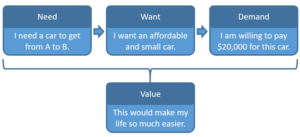 Patients approach dental care with different expectations. To provide the best service, dentists must recognize these differences:
 - Needs – Basic dental requirements necessary for oral health. Example: A patient with tooth decay needs a root canal or filling to prevent further damage.
- Wants – Preferences or esthetic desires that enhance a patient’s smile.Example: A patient with healthy teeth may want teeth whitening or veneers for a brighter smile.
- Demands – Services patients actively seek, often influenced by trends, social proof, or affordability. Example: Clear aligners like Invisalign are in high demand due to their invisibility and convenience over traditional braces.
👉 Case Study: A 30-year-old professional in Bangalore has mild teeth crowding but avoids traditional braces due to appearance concerns. While braces solve the need, their demand is for an aesthetic solution like clear aligners. By offering interest-free EMI plans, the clinic can meet both their needs and demands.
2. How to Identify and Address Patient Needs?
To align dental services with patient expectations, clinics can use: ✅ Surveys & Consultations – Ask patients what they expect from treatments. ✅ Patient History & Lifestyle Factors – Understand oral habits, occupation, and budget. ✅ Educational Content – Provide blogs, videos, and brochures to inform patients.👉 Example: If a clinic notices many patients inquire about tooth sensitivity, they can create an educational blog on causes & treatments, send emails with tips, and promote fluoride treatment packages as a solution.
3. How Does a Patient Make a Decision for Dental Treatments?
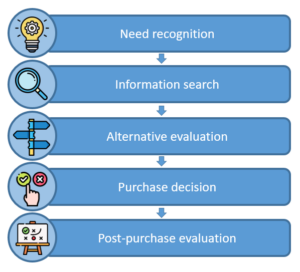 The customer decision process consists of five stages, influencing whether a patient books an appointment or chooses another clinic.
 1. Stage 1: Need Recognition – What Triggers a Patient to Seek Dental Care?
Patients realize they need dental treatment due to:- Pain & Discomfort – Toothache, bleeding gums, sensitivity.
- Appearance Concerns – Stained teeth, crooked smile, missing teeth.
- Social Influence – Celebrity trends, peer recommendations.
- Routine Check-Ups – Some patients prioritize preventive care.
👉 Example: A patient with bleeding gums may not realize they need periodontal treatment. A clinic can run a social media campaign on “Signs of Gum Disease” to increase awareness and attract new patients.
2. Stage 2: Information Search – Where Do Patients Look for Dental Services?
Once a patient recognizes the need, they start researching their options. Where do they search? ✅ Google Search & SEO: "Best dental clinic in Chennai for braces" ✅ Online Reviews & Testimonials: Google My Business, Practo, Justdial ✅ Social Media & Influencers: Instagram smile makeover results ✅ Word-of-Mouth & Family Recommendations 👉 Example: A clinic with before-and-after images of teeth whitening on Instagram and Google Reviews will rank higher in searches, attracting more inquiries.🔹 Tip: Dentists should optimize their website with FAQs, service pages, and blogs to appear in search results for common patient queries..
3. Stage 3: Alternative Evaluation – How Do Patients Compare Dentists?
Patients shortlist two or three clinics before making a decision. 🔎 Factors influencing their choice: ✅ Location & Accessibility – Nearby clinics are preferred. ✅ Pricing & Payment Options – Transparency & EMI availability. ✅ Reputation & Experience – Google ratings & dentist credentials. ✅ Before-and-After Results – Proof of treatment success. 👉 Example: A working professional in Mumbai may compare two clinics for dental implants:- Clinic A: ₹50,000 per implant, No EMI, No reviews.
- Clinic B: ₹55,000 per implant, 0% EMI, 4.9 Google rating, before/after images.
🔹 Tip: Clinics must highlight success stories, financing options, and dentist expertise on their websites and social media.
4. Stage 4: Purchase Decision – How to Convert Inquiries into Appointments
Patients are now ready to book an appointment but might hesitate. How can clinics reduce friction? ✅ Clear Pricing & Treatment Plans – Avoid hidden costs. ✅ Flexible Payment Options – EMI plans, credit card offers. ✅ Prompt Response to Inquiries – WhatsApp & call-back options. ✅ Personalized Follow-Ups – Send reminders or offer first-visit discounts. 👉 Example: A patient in Hyderabad inquires about dental veneers. The clinic offers:- A free smile consultation
- An EMI plan of ₹3,000/month
- A WhatsApp demo of past patient results
💡 Outcome: The patient books an appointment immediately instead of delaying the decision.
5. Stage 5: Post-Treatment Evaluation – Ensuring Patient Satisfaction & Retention
After treatment, patients evaluate whether their experience met expectations. 📌 Key factors for patient satisfaction: ✅ Follow-up Appointments – Checking on post-treatment care. ✅ Handling Concerns & Feedback – Addressing dissatisfaction professionally. ✅ Encouraging Online Reviews – Positive feedback boosts reputation. ✅ Loyalty Programs & Referral Discounts – Incentivize repeat visits.👉 Example: A patient who got teeth whitening receives a post-treatment call and an email with aftercare tips. The clinic also offers a ₹500 discount on their next visit if they leave a review.💡 Outcome: The patient feels valued and returns for further treatments.
4. Are There Any Top Strategies to Improve Patient Experience and Loyalty?
To build a successful patient-centric clinic, dentists should:- Personalize Consultations – Address specific concerns and goals.
- Use Patient-Friendly Communication – Avoid technical jargon.
- Educate with Blogs & Social Media – Position as an authority in dentistry.
- Offer Flexible Payment Plans – Make treatments more accessible.
- Leverage Technology – Use WhatsApp, automated reminders, and virtual consultations.
Conclusion
Understanding dental patients is the key to increasing patient trust, engagement, and revenue. By identifying needs, optimizing marketing, and guiding patients through the decision process, clinics can attract more patients and build lasting relationships. A patient-focused approach not only leads to higher appointment bookings but also ensures positive word-of-mouth marketing and long-term loyalty.💡 Action Step: Optimize your clinic’s online presence, educate patients, and create a seamless experience at every stage of their decision journey!
Explore more with DentalReach
Read the DentalReach dental magazine for professional perspectives, browse clinical dental articles for practical learning, and follow dental news for updates across the profession. You can also read our dental magazine editions.
Continue learning through dental events and conferences, listen to dental podcasts featuring professional conversations, and exchange questions and experiences in our dental forums.
For your next career step, explore dental jobs and opportunities across dental practices and organizations.